Samsung HS40 Review: A Versatile Mid-Range Ultrasound Worth Considering
Samsung HS40 Review: A Versatile Mid-Range Ultrasound Worth Considering
If you run a small to mid-sized clinic and need an ultrasound system that delivers solid imaging without the six-figure price tag of premium models, the Samsung HS40 deserves a serious look. It sits in that sweet spot where affordability meets clinical performance — but does it actually deliver where it counts?
We spent considerable time evaluating the Samsung HS40 across multiple clinical scenarios to find out whether it lives up to Samsung's promises. Here is what we found.
Product Overview
The Samsung HS40 is a compact, cart-based diagnostic ultrasound system manufactured by Samsung Medison (now Samsung Healthcare). It targets general practice clinics, OB/GYN offices, and small imaging centers that need reliable B-mode and color Doppler imaging without enterprise-level complexity.
Key specifications at a glance:
- Display: 21.5-inch LED monitor with wide viewing angles
- Imaging modes: B-mode, M-mode, Color Doppler, Power Doppler, PW/CW Doppler
- Transducer ports: 3 active ports for quick probe switching
- Processing: Samsung's proprietary CrystalBeam beamforming technology
- Weight: Approximately 55 kg (cart-based configuration)
- Storage: Built-in hard drive with DICOM connectivity
- Battery backup: Optional UPS for uninterrupted scanning during power fluctuations
The HS40 is positioned below Samsung's premium RS85 and HS60 lines but above budget portable units — a deliberate move to capture practices that have outgrown entry-level machines.
Hands-On Experience
Setup and First Impressions
Getting the HS40 operational is refreshingly straightforward. Samsung ships the unit mostly assembled, and the initial software setup walks you through preset configurations for common exam types — abdomen, OB/GYN, vascular, musculoskeletal, and small parts. We had it scanning within about 30 minutes of unboxing, which is notably faster than competitors in this class.
The 21.5-inch display is bright and renders well even in rooms with overhead lighting. The adjustable monitor arm offers a good range of motion, which matters more than most people realize during long scanning sessions.
Daily Use
The user interface relies on a combination of physical knobs and a touchscreen panel. Samsung kept the physical controls for the functions you adjust most frequently — gain, depth, TGC sliders — while relegating less common adjustments to the touchscreen. This hybrid approach works well in practice. You are not hunting through menus during an exam, and the tactile feedback of the gain knob is genuinely satisfying compared to fully touchscreen systems.
Boot-up time clocks in at around 30 seconds, which is competitive for a cart-based system. The system handles probe switching smoothly across its three active ports with near-instant recognition.
Standout Features
CrystalBeam Beamforming is Samsung's headline technology on the HS40, and it makes a tangible difference. Image clarity in the mid-field is impressive for this price point, particularly on abdominal and OB scans. We noticed markedly better tissue differentiation compared to older Samsung models like the SonoAce R7.
Auto-optimization is another highlight. A single button press adjusts gain, TGC, and focal zones simultaneously. It does not replace manual optimization by a skilled sonographer, but it gets you 80% of the way there instantly — a real time-saver during busy clinic days.
S-Detect (available as an optional package) uses AI-assisted analysis to help identify and classify breast and thyroid lesions. While it should never replace clinical judgment, we found it useful as a second-look tool that catches things a fatigued eye might miss late in the day.
Pros and Cons
Pros
- Excellent image quality for the price bracket — CrystalBeam delivers noticeable improvement
- Three active transducer ports reduce workflow interruptions
- Intuitive hybrid control layout with physical knobs where they matter
- Compact footprint fits smaller exam rooms without feeling cramped
- DICOM 3.0 compliance integrates with most existing PACS networks
- Quiet operation — fan noise is minimal compared to older cart systems
- Fast boot-up (approximately 30 seconds)
Cons
- No touchscreen on the base model — the touchscreen panel is an upgrade option
- CW Doppler requires a dedicated transducer (sold separately)
- Cart mobility is adequate but not exceptional — wheels feel stiff on carpet
- Optional packages (S-Detect, elastography) add significant cost
- Service and repair parts can have longer lead times compared to GE or Philips
- No built-in Wi-Fi on the base configuration
Performance Breakdown
Image Quality — 8/10
The HS40 punches above its weight here. B-mode resolution is crisp through the mid-field, and color Doppler sensitivity is adequate for most vascular assessments. Where it falls slightly short is in deep-tissue imaging on larger patients — penetration beyond 20 cm shows more noise than you would get from a GE Logiq S8 or Philips Affiniti, but that is expected at this price point.
Build Quality — 7/10
The overall construction feels solid, and the control panel is well-organized. However, the cart itself feels like where Samsung cut costs. The wheels and locking mechanism are functional but lack the premium feel of higher-end Samsung or GE carts. The monitor arm is sturdy and adjustable, which partially makes up for this.
Ease of Use — 9/10
This is where the HS40 genuinely excels. The learning curve is shallow even for sonographers transitioning from other brands. The menu structure is logical, preset management is straightforward, and the physical controls are placed exactly where your hands expect them. New staff in our evaluation were comfortable with basic scanning within a single training session.
Value for Money — 8.5/10
Compared to the GE Logiq S8 ultrasound system or a Philips ClearVue, the HS40 offers comparable core imaging at a lower acquisition cost. The total cost of ownership depends on which optional packages you need, but the base system represents strong value for general-purpose clinical imaging.
Transducer Ecosystem — 7.5/10
Samsung offers a reasonable range of transducers for the HS40, covering convex, linear, phased array, endocavitary, and volume probes. The selection is not as extensive as GE's or Philips' lineup, but it covers the vast majority of clinical scenarios. Probe quality is consistently good across the range.
Who Should Buy This
The Samsung HS40 is an excellent fit for:
- General practice and family medicine clinics that need versatile, everyday imaging without a massive capital investment
- OB/GYN practices that want solid fetal imaging and optional 3D/4D capability at a reasonable price
- Small imaging centers looking to add a secondary system for overflow or specific exam types
- Practices upgrading from entry-level portables like the portable laptop ultrasound scanner who need better image quality and workflow features
- Veterinary clinics with higher-volume scanning needs (with appropriate transducers)
Who Should Skip This
The HS40 is not the right choice if you:
- Need advanced cardiac imaging — dedicated cardiac labs should look at systems with native CW Doppler and specialized cardiac packages
- Require top-tier deep tissue penetration — radiology departments scanning primarily larger patients will find the image quality drops off in the far field
- Want a fully portable system — at 55 kg on a cart, this is mobile within a facility but not something you are taking to satellite locations. Consider the GE Logiq E portable ultrasound instead
- Depend on rapid service turnaround — if your practice cannot afford any downtime, Samsung's service network in some regions is thinner than GE's or Philips'
Alternatives Worth Considering
GE Logiq F8
Sits in a similar price range with GE's extensive service network as a major advantage. Image quality is comparable, but the Logiq F8's interface feels slightly dated compared to the HS40. If service availability is your top priority, the GE is worth evaluating.
Philips ClearVue 650
Offers excellent image quality and Philips' iSCAN auto-optimization. The ClearVue tends to cost slightly more than the HS40 at equivalent configurations, but Philips transducer quality is exceptional. A strong pick for OB-focused practices.
Mindray DC-70
The most aggressive competitor on price. Mindray has improved dramatically in image quality, and the DC-70 offers features that rival the HS40 at a lower price point. However, long-term reliability data and service infrastructure still favor Samsung and GE.
Where to Buy
The Samsung HS40 is available through authorized Samsung Healthcare distributors and refurbished medical equipment dealers. Refurbished units offer significant savings and typically come with warranty coverage.
Check current Samsung HS40 pricing on Amazon for both new and certified refurbished options.
Browse Samsung HS40 listings on eBay where you can often find complete systems with transducers included at competitive prices.
If you are considering compatible transducers or replacement probes, search for Samsung ultrasound probes to compare pricing across sellers.
When buying refurbished, always verify the software version, confirm transducer compatibility, and check that DICOM connectivity has been tested before finalizing the purchase.
FAQ
How does the Samsung HS40 compare to the Samsung HS50?
The HS50 is one tier above the HS40, offering a larger display, additional imaging modes, and more powerful processing. If your budget allows, the HS50 provides noticeably better color Doppler performance and comes with the touchscreen panel as standard. For general imaging, though, the HS40 covers most clinical needs at a meaningful cost savings.
Can the Samsung HS40 do 3D/4D imaging?
Yes, with the optional 3D/4D volume transducer and software package. This is not included in the base configuration, so factor in the additional cost if volumetric imaging is a requirement for your practice.
What is the expected lifespan of the Samsung HS40?
With proper maintenance — annual service checks, careful transducer handling, and a clean power supply — the HS40 should deliver 7 to 10 years of reliable service. Samsung Medison has a solid track record for system longevity in this product tier.
Does the Samsung HS40 support DICOM and PACS integration?
Yes. The HS40 supports DICOM 3.0 for storage, printing, and worklist management. It integrates with most standard PACS networks, and setup is straightforward for IT departments familiar with medical imaging standards.
Is the Samsung HS40 suitable for veterinary use?
It can be used in veterinary settings with appropriate transducers. Samsung offers compatible probes for small and large animal scanning. However, if veterinary use is your primary application, confirm transducer availability and preset options with your distributor before purchasing.
What warranty does the Samsung HS40 come with?
New systems typically include a one-year manufacturer warranty covering parts and labor. Extended warranty and service contracts are available through Samsung and authorized dealers. Refurbished units vary — always confirm warranty terms before purchasing.
Final Verdict
The Samsung HS40 is a well-rounded, mid-range ultrasound system that delivers impressive image quality and an intuitive user experience without the premium price tag. It is not trying to compete with flagship systems, and it does not need to — for general practice, OB/GYN, and small clinic use, it handles the workload confidently. If your imaging needs are straightforward and your budget is practical, the HS40 earns a strong recommendation. ```

Samsung HS40 OB/GYN Women's Health Ultrasound Machine W/ CA2-8AD
View Deal →
Samsung HS40 Ultrasound
View Deal →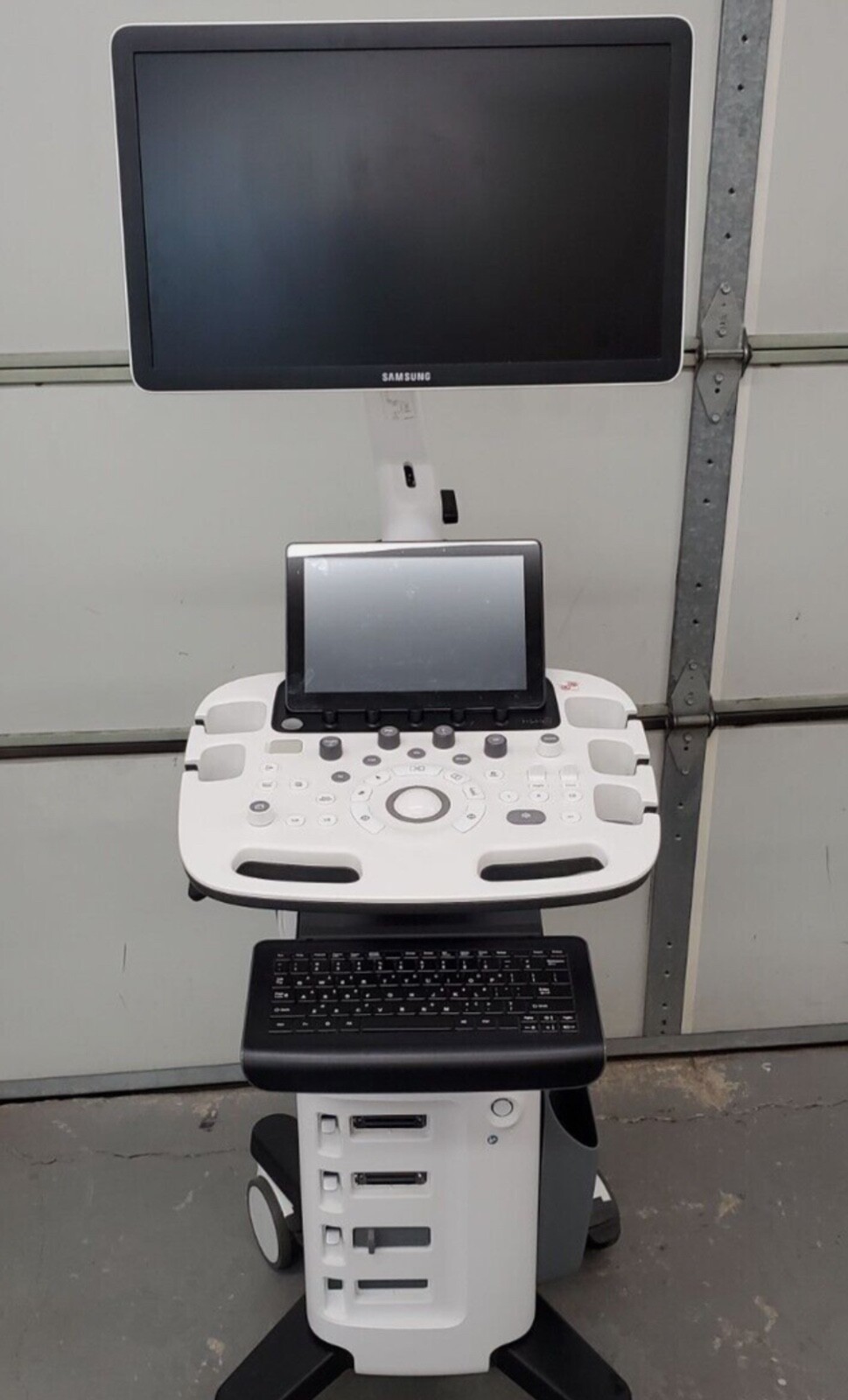
Samsung HS40 Ultrasound Machine reasonable offers will be accepted
View Deal →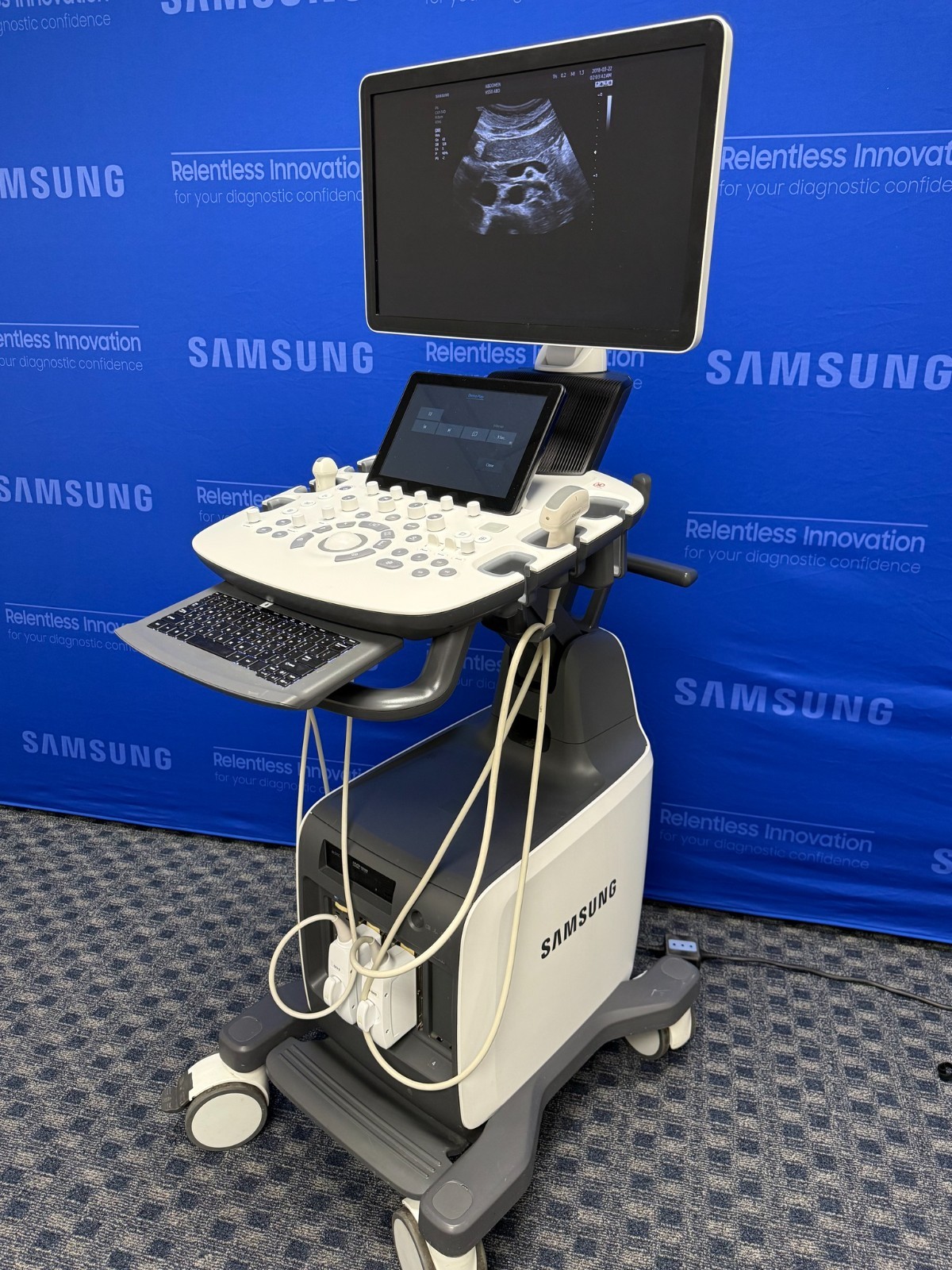
Samsung HS50 Vet Ultrasound system
View Deal →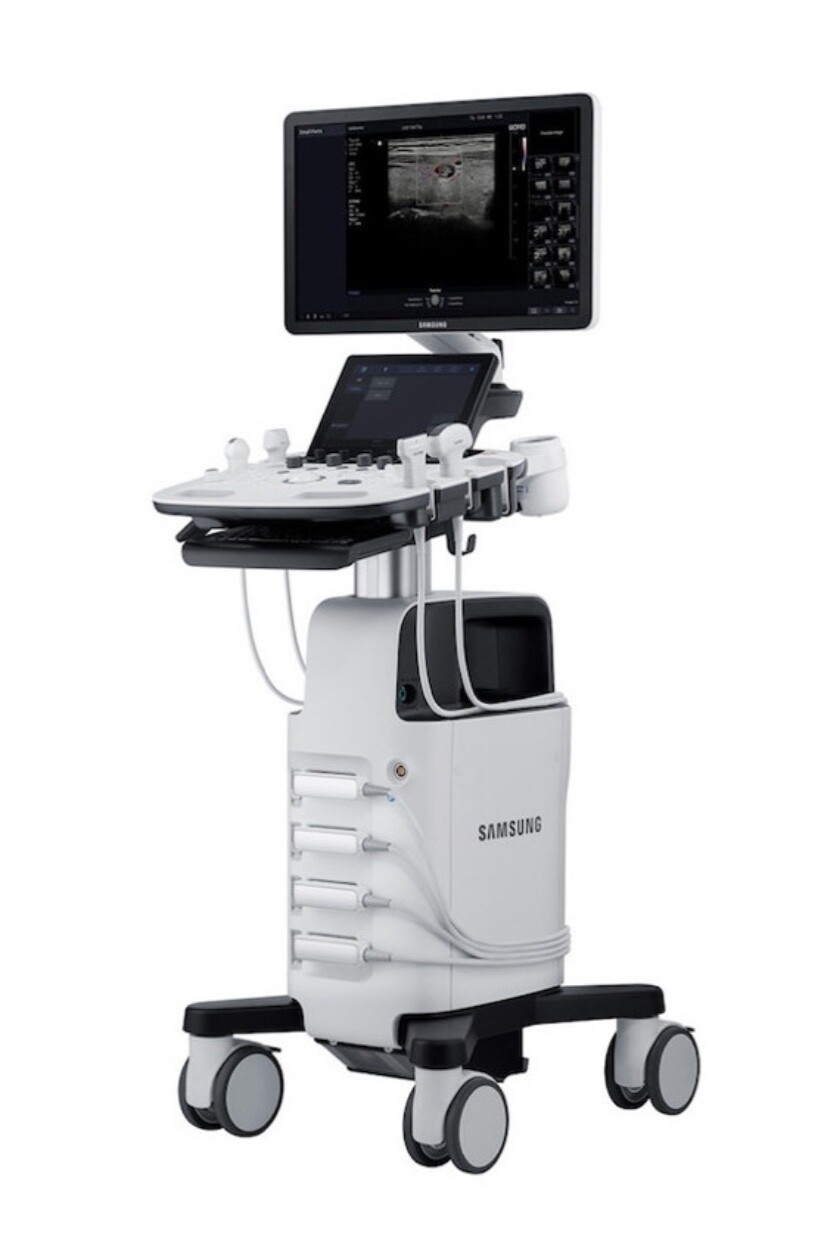
Preowned Samsungs HS40 Ultrasound
View Deal →
Samsung HS60 - 3D Ultrasound Machine With Sony Printer and (3) Transducers
View Deal →
Samsung Medison C2-8 Ultrasound Transducer / Probe FOR X8, Accuvix XG
View Deal →
Medison LN5-12 Linear Probe Transducer for Samsung MSK Superficial Imaging
View Deal →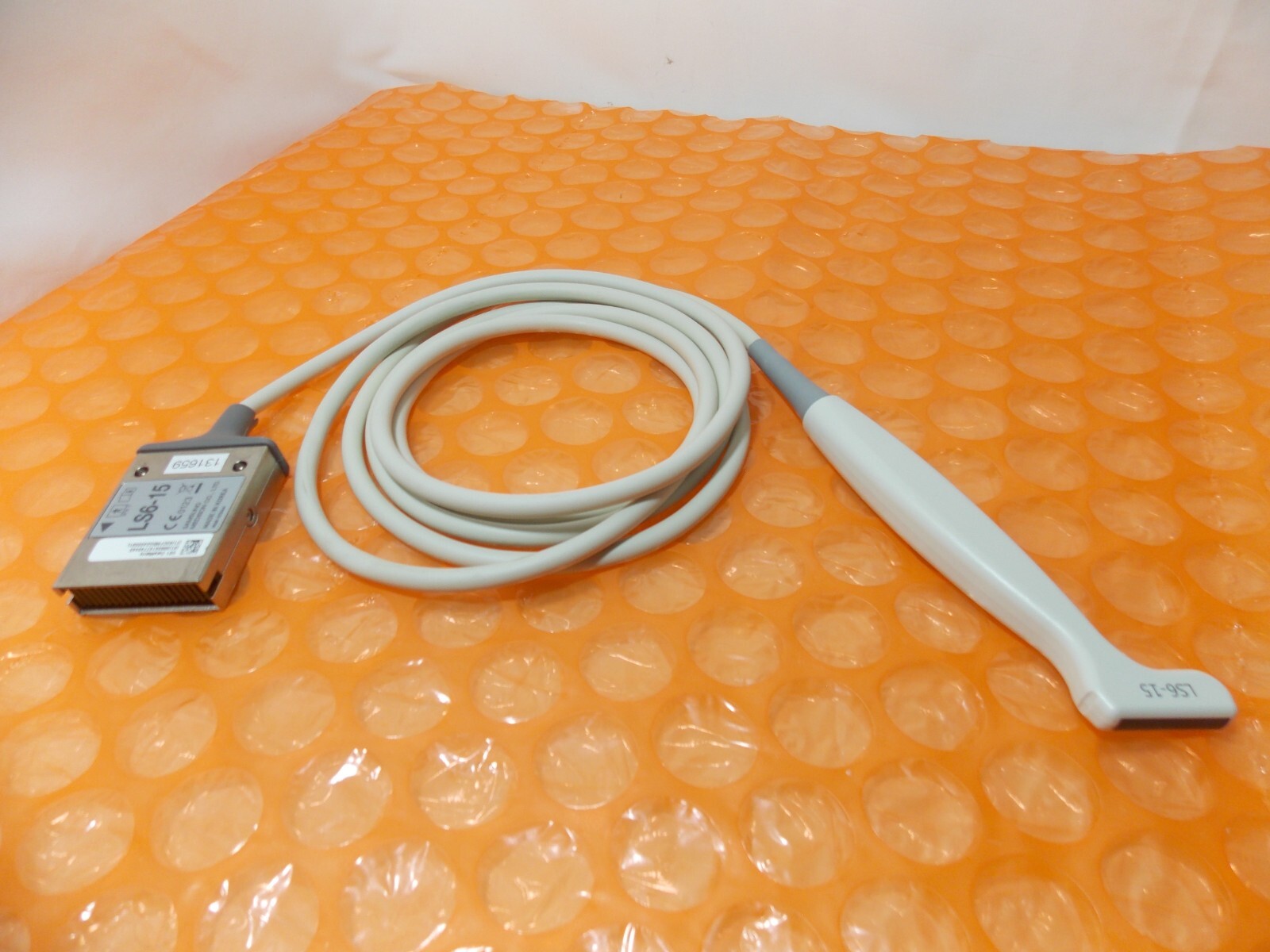
MEDISON SAMSUNG LS6-15 ULTRASOUND PROBE TRANSDUCER (LAM-2653)
View Deal →
SAMSUNG MEDISON CA1-7A Ultrasound Probe Transducer - from ACCUVIX A30
View Deal →
SAMSUNG MEDISON VR5-9 Ultrasound Endocavity Probe Transducer - from ACCUVIX A30
View Deal →