Samsung HS40 Review: A Mid-Range Ultrasound That Punches Above Its Weight
Samsung HS40 Review: A Mid-Range Ultrasound That Punches Above Its Weight
If you're running a busy clinic or small hospital and need a shared-service ultrasound system that won't drain your entire equipment budget, you've probably come across the Samsung HS40. It sits in that sweet spot between entry-level portables and premium cart-based systems — but does it actually deliver where it counts? We spent considerable time evaluating this system to find out.
Product Overview
The Samsung HS40 (marketed under Samsung Medison, now part of Samsung Healthcare) is a compact, cart-based diagnostic ultrasound system designed for general imaging, OB/GYN, musculoskeletal, vascular, and small parts applications. It's built on Samsung's Crystal Architecture platform, which brings imaging technologies previously reserved for higher-end models like the RS85 down to a more accessible price point.
The HS40 targets mid-size practices, outpatient clinics, and hospital departments that need multi-specialty capability without the $80,000–$150,000 price tags of flagship systems. It typically falls in the $25,000–$45,000 range depending on configuration and transducer packages.
Hands-On Experience
Setup and First Impressions
Out of the crate, the HS40 makes a strong first impression. The cart design is compact — noticeably smaller than comparable GE or Philips systems in this class. It rolls easily on standard clinic flooring, and the adjustable monitor arm offers good range of motion for different exam room layouts.
Boot time is roughly 25 seconds from power-on to ready-to-scan, which is respectable for a cart-based system. The 21.5-inch LED monitor is bright and sharp, with viewing angles wide enough that a second observer can follow the exam without awkward repositioning.
Daily Use
The control panel layout follows Samsung's clean design philosophy. Frequently used controls — gain, depth, freeze, and measurement calipers — are intuitively placed. The rotary encoders have a solid, tactile feel that makes fine adjustments during scanning feel precise rather than sloppy.
Where the HS40 genuinely surprised us is image quality. Samsung's ClearVision spatial compounding and S-Harmonic imaging produce noticeably cleaner B-mode images than we expected at this price point. Tissue differentiation in abdominal scans was particularly impressive — fat-muscle boundaries and organ capsules rendered with clarity typically associated with systems costing 50% more.
The system supports a wide transducer lineup including convex, linear, phased array, endocavity, and volume probes. Swapping probes is seamless, with automatic preset loading that cuts transition time between exam types.
Standout Features
S-Vue Transducers: Samsung's single-crystal transducer technology delivers wider bandwidth and improved sensitivity. The difference is most apparent in deeper abdominal imaging and cardiac applications, where signal penetration matters.
Auto IMT (Intima-Media Thickness): For vascular work, the automated IMT measurement tool saves significant time compared to manual tracing. It's reliable on most carotid scans, though heavily calcified vessels occasionally trip it up.
HDVI (High Definition Volume Imaging): The optional 3D/4D volume imaging performs well for OB applications. Render quality approaches what we've seen on the GE Voluson S6 ultrasound system, which is a genuine accomplishment at this price tier.
QuickScan: This auto-optimization feature adjusts gain, TGC, and other parameters with a single button press. It works surprisingly well about 80% of the time, and it's a genuine time-saver during high-volume scanning days.
Pros and Cons
Pros
- Excellent image quality relative to price — ClearVision and S-Harmonic imaging punch well above this price class
- Compact cart design fits easily into smaller exam rooms
- Wide transducer compatibility covers general, OB/GYN, vascular, MSK, and cardiac applications
- Fast boot time (approximately 25 seconds)
- Intuitive control panel with minimal learning curve for experienced sonographers
- QuickScan auto-optimization reduces setup time per exam
- DICOM connectivity and built-in storage simplify workflow integration
Cons
- 3D/4D rendering, while decent, still falls short of dedicated OB-focused systems like the Voluson E10
- No touchscreen interface — some competitors in this range have moved to hybrid touch/button panels
- Color Doppler sensitivity is adequate but not exceptional; challenging cases may reveal limitations
- Software update cadence from Samsung can be slower than GE or Philips
- Limited aftermarket parts availability compared to GE systems — Samsung's service network is smaller
- Elastography is an add-on module, not included in base configurations
Performance Breakdown
| Category | Rating | Notes |
|---|---|---|
| Image Quality | 8.5/10 | Exceptional for the price class. ClearVision and S-Harmonic deliver clean, detailed images |
| Build Quality | 8/10 | Solid construction, durable control panel. Cart feels sturdy without being heavy |
| Ease of Use | 8.5/10 | Clean layout, logical workflow. QuickScan is a genuine time-saver |
| Value | 9/10 | Best image-quality-to-price ratio in the mid-range segment |
| Versatility | 8/10 | Covers most specialties well, though dedicated cardiac or OB labs may want more |
Who Should Buy This
Best for mid-size practices and clinics that perform a mix of abdominal, OB/GYN, vascular, and musculoskeletal imaging. If you're scanning 15–30 patients per day across multiple exam types, the HS40 handles that workload efficiently.
Budget-conscious upgraders coming from aging portable systems will appreciate the significant jump in image quality without the premium price. If your current system is 8+ years old and you're not ready to spend six figures, the HS40 is worth serious consideration.
Multi-location practices that need to standardize on a reliable, affordable platform across several sites will find the HS40's consistent performance and reasonable price point attractive for fleet purchases.
Who Should Skip This
High-volume OB/GYN practices focused primarily on 3D/4D imaging should look at dedicated systems like the GE Voluson series. The HS40's volume imaging is good but not its strongest suit.
Cardiac-focused labs that rely heavily on strain imaging and advanced Doppler analysis may find the HS40's cardiac capabilities adequate but limiting for complex cases. A dedicated cardiac system like the GE Logiq S8 ultrasound system or Philips Epiq would be more appropriate.
Facilities that depend on aftermarket parts and third-party service may find Samsung's smaller service ecosystem a concern compared to the extensive GE and Philips aftermarket networks.
Alternatives Worth Considering
GE Logiq S8
The Logiq S8 is a direct competitor with a larger install base and more extensive aftermarket support. Image quality is comparable, but the GE service network is significantly larger. Expect to pay 10–20% more for a similarly configured system. If long-term serviceability is a priority, the GE Logiq S8 ultrasound system deserves a close look.
GE Logiq E (Portable)
If portability matters more than cart-based power, the GE Logiq E portable ultrasound offers strong imaging in a laptop-style form factor. You'll sacrifice some image quality and screen size, but gain true portability for point-of-care or field use.
Philips Affiniti 50
Philips' Affiniti 50 competes directly with the HS40 on price and capability. It edges ahead in color Doppler sensitivity but trails Samsung in B-mode clarity at this price tier. Worth comparing side-by-side if you have access to demos from both vendors.
Where to Buy
The Samsung HS40 is available through authorized Samsung Medison distributors, medical equipment resellers, and refurbished equipment dealers. Refurbished units in good condition can often be found at 40–60% of new pricing.
Check Samsung HS40 availability on Amazon
Search for Samsung HS40 systems on eBay
When purchasing refurbished, verify the software version (look for v2.0 or later), confirm transducer compatibility, and request a service history. Systems with fewer than 10,000 scan hours are generally considered low-mileage.
Frequently Asked Questions
What specialties can the Samsung HS40 support?
The HS40 is designed as a shared-service system supporting abdominal, OB/GYN, vascular, musculoskeletal, small parts, and basic cardiac imaging. Its wide transducer compatibility makes it versatile enough for most general practice needs.
How does the Samsung HS40 compare to the GE Logiq S8?
Both systems deliver strong image quality in the mid-range segment. The HS40 typically costs less and offers a more compact footprint, while the Logiq S8 benefits from GE's larger service network and aftermarket parts availability. Image quality is comparable, with slight advantages varying by application.
Is the Samsung HS40 suitable for 3D/4D OB imaging?
Yes, with the optional HDVI module and compatible volume transducer. The 3D/4D rendering is good for routine OB applications, but dedicated high-volume OB practices may prefer a system specifically designed for volume imaging.
What is the typical lifespan of the Samsung HS40?
With regular maintenance, the HS40 should deliver reliable service for 7–10 years. Samsung Medison provides service support, and the system's digital architecture means many updates can be applied via software rather than hardware changes.
Does the Samsung HS40 support DICOM?
Yes. The HS40 includes built-in DICOM connectivity for PACS integration, worklist management, and structured reporting. Setup is straightforward for IT teams familiar with DICOM networking.
What transducers are available for the Samsung HS40?
Samsung offers convex (CA1-7A), linear (LA2-14A), phased array (PA1-5A), endocavity (EV2-10A), and volume (CV1-8A) transducers among others. The S-Vue single-crystal versions deliver noticeably better performance and are worth the upgrade if your budget allows.
Final Verdict
The Samsung HS40 is one of the strongest value propositions in the mid-range ultrasound market. It delivers image quality that genuinely competes with systems costing significantly more, wrapped in a compact, user-friendly package. If you need a versatile shared-service system and you're not locked into a specific vendor ecosystem, the HS40 deserves a spot on your shortlist. ```

Samsung HS40 OB/GYN Women's Health Ultrasound Machine W/ CA2-8AD
View Deal →
Samsung HS40 Ultrasound
View Deal →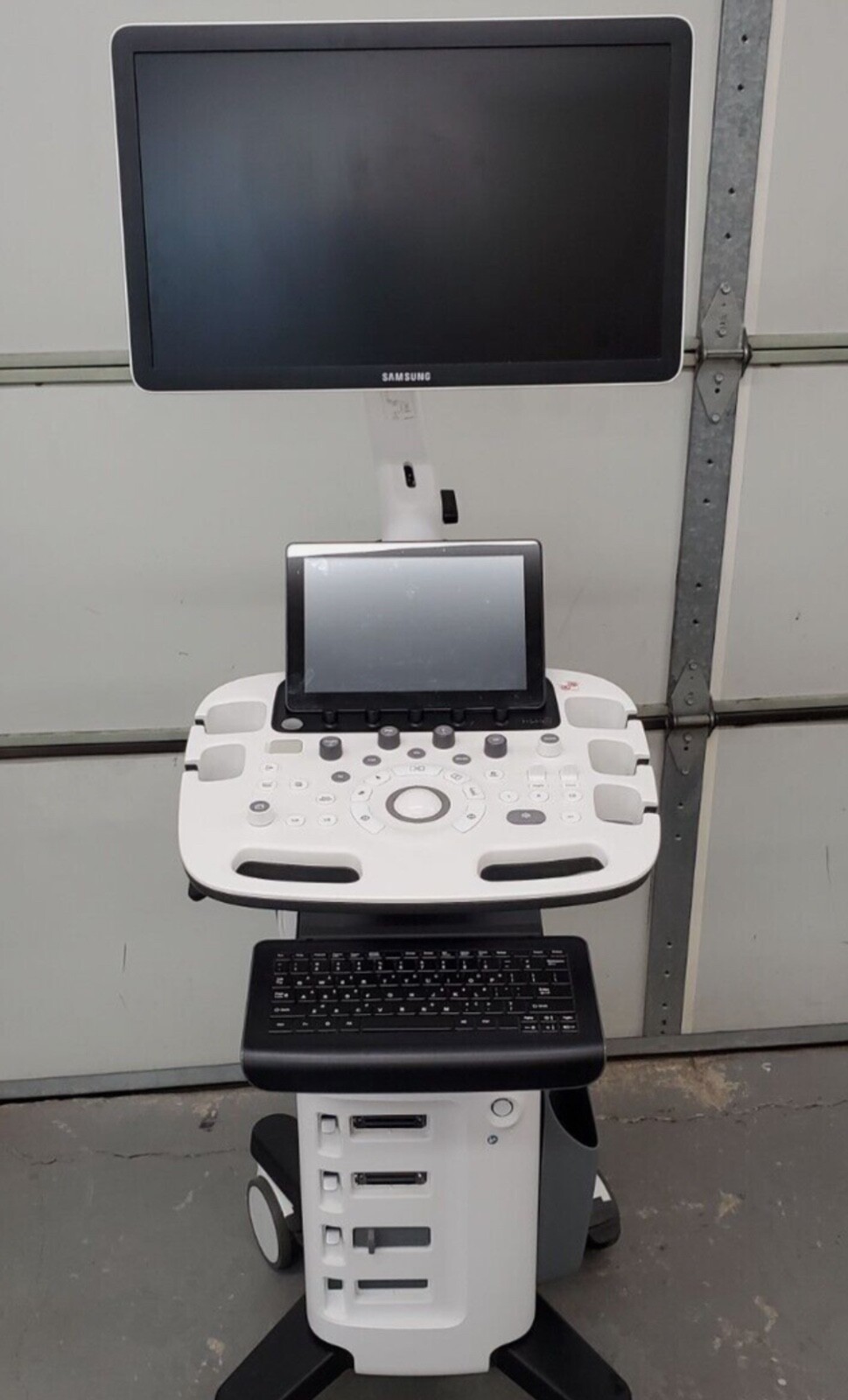
Samsung HS40 Ultrasound Machine reasonable offers will be accepted
View Deal →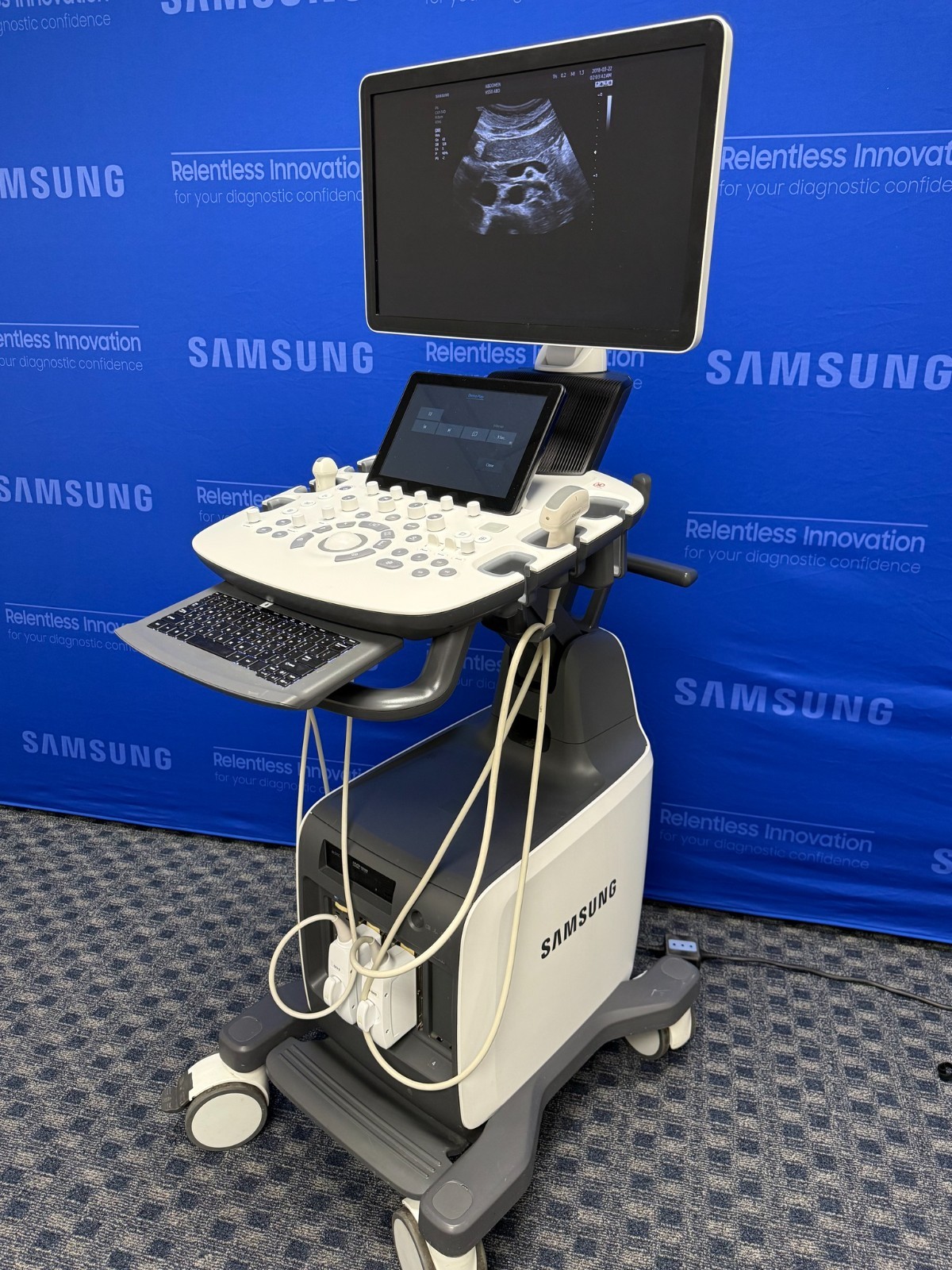
Samsung HS50 Vet Ultrasound system
View Deal →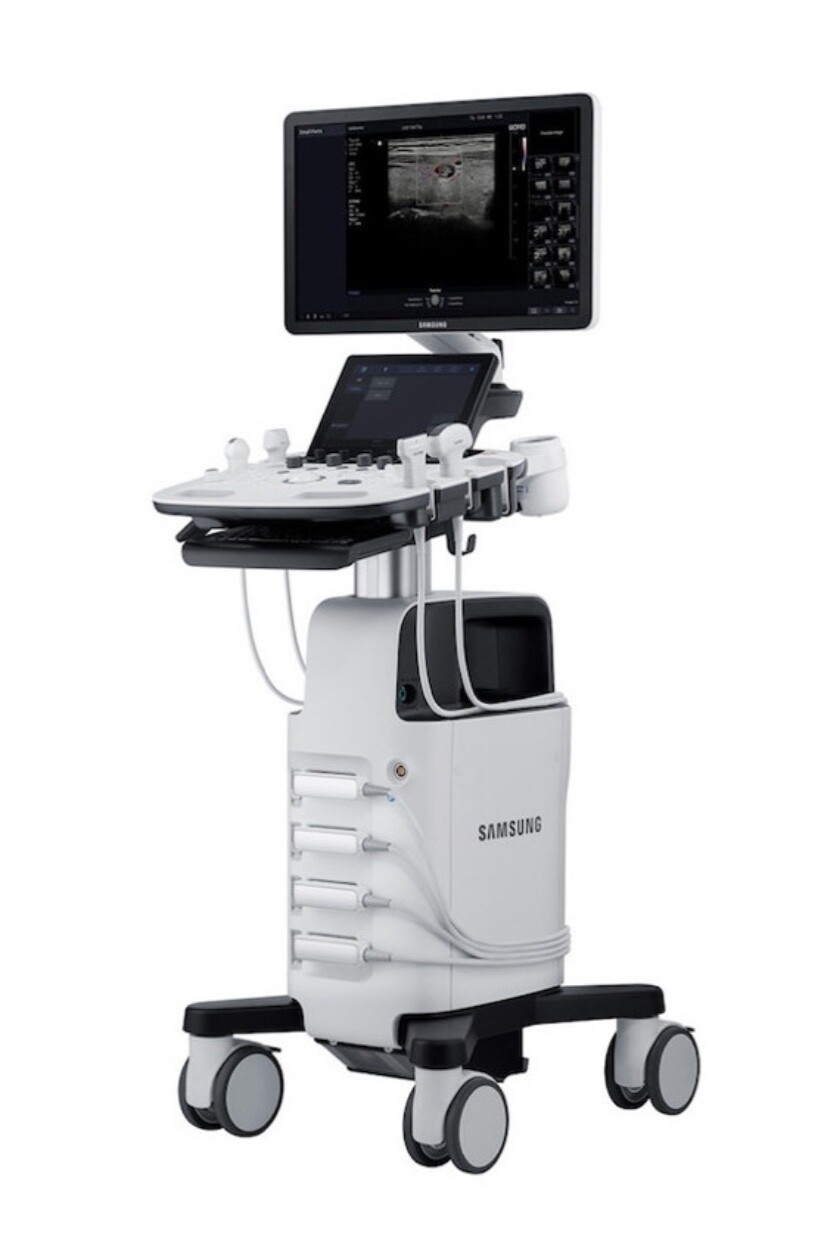
Preowned Samsungs HS40 Ultrasound
View Deal →
Samsung HS60 - 3D Ultrasound Machine With Sony Printer and (3) Transducers
View Deal →
Samsung Medison C2-8 Ultrasound Transducer / Probe FOR X8, Accuvix XG
View Deal →
Medison LN5-12 Linear Probe Transducer for Samsung MSK Superficial Imaging
View Deal →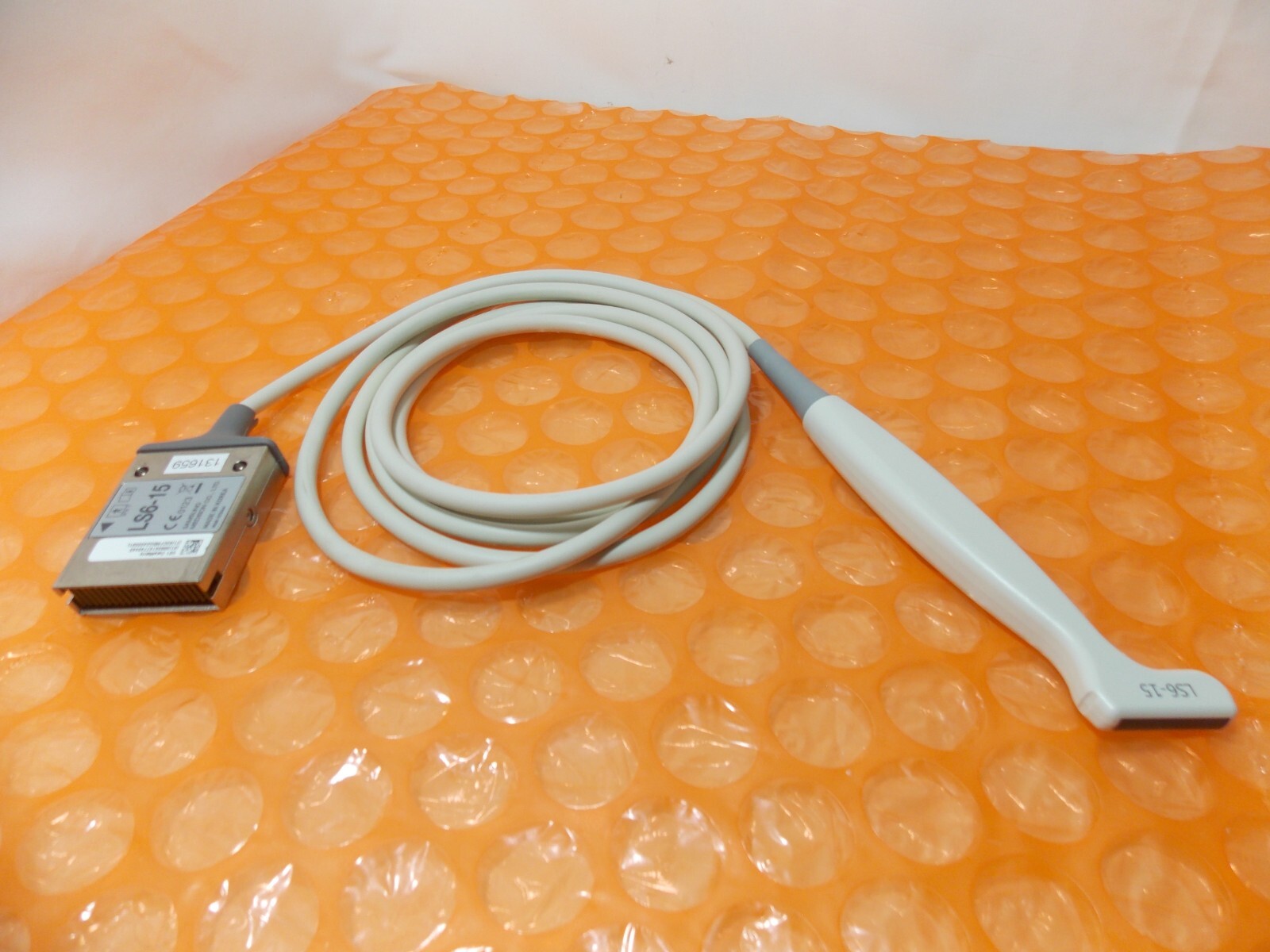
MEDISON SAMSUNG LS6-15 ULTRASOUND PROBE TRANSDUCER (LAM-2653)
View Deal →
SAMSUNG MEDISON CA1-7A Ultrasound Probe Transducer - from ACCUVIX A30
View Deal →
SAMSUNG MEDISON VR5-9 Ultrasound Endocavity Probe Transducer - from ACCUVIX A30
View Deal →