Philips ClearVue 850 Review: Premium Imaging Without the Flagship Price
Philips ClearVue 850 Review: Premium Imaging Without the Flagship Price
If you run a busy clinic or hospital department that handles everything from abdominal scans to OB/GYN exams, you know the frustration of choosing between a premium ultrasound system you can't afford and a budget unit that cuts too many corners. The Philips ClearVue 850 sits right in that sweet spot — delivering shared-service versatility with image clarity that punches well above its price class.
We spent considerable time evaluating the ClearVue 850 across multiple clinical applications to determine whether it truly delivers on Philips' promise of "premium performance made accessible." Here is what we found.
Product Overview
The Philips ClearVue 850 is a cart-based, shared-service ultrasound system designed for general imaging, OB/GYN, vascular, and musculoskeletal applications. It sits at the top of Philips' ClearVue line, above the ClearVue 550 and 650, and borrows several technologies from the higher-end EPIQ and Affiniti platforms.
Key Specifications:
- Display: 21.5-inch high-resolution LED monitor with wide viewing angles
- Imaging Modes: 2D, M-Mode, Color Doppler, Power Doppler, PW/CW Spectral Doppler, Harmonic Imaging
- Transducer Ports: 3 active ports (no swapping mid-exam)
- Advanced Features: SonoCT (real-time compound imaging), XRES (adaptive image processing), Auto Doppler, iSCAN intelligent optimization
- Data Management: DICOM 3.0, USB export, built-in HDD storage
- Weight: Approximately 100 kg (cart-based)
- Intended Users: Radiology departments, OB/GYN practices, shared-service environments, community hospitals
The ClearVue 850 targets mid-size practices and hospital departments that need a reliable workhorse capable of handling diverse exam types without requiring a six-figure investment.
Hands-On Experience
Initial Setup and Ergonomics
Getting the ClearVue 850 up and running is straightforward. The system boots quickly — typically under 90 seconds — which matters when you have a packed schedule. The user interface follows Philips' familiar layout, so sonographers transitioning from an HD11 or older ClearVue model will feel at home almost immediately.
The articulating monitor arm deserves special mention. It offers a wide range of motion, making it easy to position the screen regardless of where you're standing relative to the patient. The control panel height is adjustable, and the gel holder and cable management are thoughtfully integrated into the cart design. After long scanning sessions, these ergonomic details make a real difference in operator fatigue.
Image Quality
This is where the ClearVue 850 genuinely impresses. Philips brought down two key technologies from their flagship EPIQ line: SonoCT (real-time compound imaging that reduces speckle and clutter) and XRES (adaptive image processing that sharpens borders and enhances tissue differentiation). Together, they produce images that are noticeably cleaner than what you get from competing systems at this price point.
In abdominal imaging, liver parenchyma appears smooth with clear vessel delineation. The harmonic imaging mode does an excellent job cutting through technically difficult patients — those with higher BMI or significant bowel gas. We found that image optimization required fewer manual adjustments compared to similarly priced GE and Samsung systems.
For OB/GYN applications, fetal anatomy visualization is detailed and consistent. The system handles both early first-trimester dating scans and detailed second-trimester anatomy surveys with confidence. While it doesn't match the 3D/4D rendering quality of the Voluson E10, the 2D image quality is competitive with systems costing significantly more.
Workflow and Automation
The iSCAN intelligent optimization feature is a genuine time-saver. One button press automatically adjusts gain, TGC, and compression simultaneously. It doesn't replace a skilled sonographer's eye, but it gets you 80-90% of the way to an optimized image in seconds. For high-volume departments scanning 20+ patients daily, those seconds add up.
Auto Doppler is another highlight. The system automatically places the sample volume and adjusts the angle correction, reducing the number of steps needed to obtain spectral waveforms. It works reliably on carotid and lower extremity venous exams, though we found it occasionally needed manual fine-tuning on smaller vessels.
Pros and Cons
Pros:
- Outstanding 2D image quality thanks to SonoCT and XRES technology borrowed from flagship Philips systems
- iSCAN auto-optimization dramatically speeds up workflow
- Three active transducer ports eliminate probe swapping during multi-application exams
- Ergonomic cart design with adjustable monitor and control panel
- Intuitive interface with short learning curve for Philips-trained sonographers
- Broad application coverage from a single platform
- Competitive acquisition cost relative to image quality delivered
Cons:
- Cart-based only — no portable or laptop version available in this line
- 3D/4D capabilities are functional but lag behind dedicated OB platforms like the Voluson series
- At roughly 100 kg, moving between rooms requires effort even with lockable casters
- Limited advanced quantification tools compared to EPIQ or Affiniti platforms
- Older ClearVue models may have discontinued software update support — verify with Philips before purchasing refurbished units
- No touchscreen interface (knob and button only), which some newer sonographers find dated
Performance Breakdown
Image Quality — 9/10
The combination of SonoCT and XRES delivers image clarity that routinely surprises first-time users. Penetration depth is solid, harmonic imaging handles difficult body habitus well, and Color Doppler sensitivity is reliable across vascular applications.
Build Quality — 8/10
The cart feels sturdy and well-constructed. The control panel buttons and trackball have a satisfying tactile response. The monitor arm is robust. The only knock is that the plastic trim panels on the cart sides can feel less premium than the Samsung or GE equivalents.
Ease of Use — 9/10
Philips nailed the workflow. iSCAN, Auto Doppler, and logical menu organization make this system approachable for sonographers of all experience levels. The learning curve coming from any other Philips system is nearly flat.
Versatility — 8/10
Three active ports and broad application presets make this a true shared-service platform. It handles abdominal, OB/GYN, vascular, small parts, and MSK competently. It falls short only in highly specialized applications like advanced cardiac or interventional work.
Value for Money — 9/10
This is the ClearVue 850's strongest selling point. You get image quality that approaches the Affiniti line at a price point that mid-size practices can realistically budget for. Refurbished units on the secondary market offer even more compelling value.
Who Should Buy This
- Community hospitals and mid-size clinics that need one system to handle multiple exam types without breaking the budget
- OB/GYN practices that want strong 2D imaging and don't need cutting-edge 3D/4D rendering
- Radiology departments looking to replace aging HD11 or ClearVue 550/650 systems with a meaningful upgrade
- High-volume scanning environments where workflow speed and operator ergonomics directly impact throughput
- Practices buying refurbished — the ClearVue 850 holds up well on the secondary market and represents excellent value in good condition
Who Should Skip This
- Practices that need portability — this is a full-size cart system. If you need to move between facilities or do bedside scanning in tight spaces, consider the GE Logiq E portable ultrasound or a similar laptop-based system instead
- Maternal-fetal medicine specialists — if advanced 3D/4D and HDlive rendering are core to your practice, the Voluson E8 or E10 will serve you better
- Cardiology departments — the ClearVue 850 has limited cardiac capabilities. Dedicated echo platforms like the EPIQ 7C are the right choice
- Facilities that need cutting-edge quantification — elastography, contrast-enhanced ultrasound, and advanced measurement packages are limited or unavailable
Alternatives Worth Considering
GE Logiq S8
The GE Logiq S8 ultrasound system is the most direct competitor. It offers similar shared-service versatility with GE's CrossXBeam compound imaging. Image quality is comparable, though we give a slight edge to the ClearVue 850's XRES processing for tissue differentiation. The Logiq S8 has a slight advantage in advanced measurement packages and elastography options.
GE Voluson S6
For practices that lean heavily toward OB/GYN, the GE Voluson S6 ultrasound offers superior 3D/4D capabilities at a similar price point. However, it's less versatile as a general-purpose shared-service system compared to the ClearVue 850.
Samsung HS50
Samsung's HS50 is a newer entrant that competes on price and features a touchscreen interface. Its image quality is competitive, and it includes Samsung's CrystalLive architecture. Worth evaluating if a modern interface matters to your team, though the installed base and service network are smaller than Philips or GE.
Where to Buy
The Philips ClearVue 850 is available through authorized Philips distributors, medical equipment dealers, and the refurbished market. New systems are typically purchased through direct Philips sales representatives or authorized channel partners.
For refurbished and pre-owned units, which often represent the best value:
When purchasing refurbished, always verify the software version, confirm transducer compatibility, and request a performance verification report. Systems with current software and low scan-hour counts command a premium but are worth it for long-term reliability.
Frequently Asked Questions
What transducers are compatible with the Philips ClearVue 850?
The ClearVue 850 supports a wide range of Philips transducers including the C5-1 broadband curved array (abdominal), C9-4v endocavity (OB/GYN), L12-4 linear array (vascular/MSK), and S4-1 phased array (limited cardiac). Always verify specific transducer compatibility with the installed software version.
How does the ClearVue 850 compare to the Philips Affiniti 50?
The Affiniti 50 sits one tier above in Philips' lineup, offering PureWave crystal transducer technology, more advanced automation features, and additional quantification tools. If your budget allows the step up, the Affiniti 50 provides a noticeable improvement in penetration and image clarity, particularly in technically difficult patients.
Can the ClearVue 850 perform 3D/4D imaging?
Yes, with compatible volume transducers. However, the 3D/4D rendering is functional rather than exceptional. Practices that rely heavily on volumetric imaging for OB diagnostics or patient bonding sessions should evaluate dedicated platforms like the Voluson series.
What is the expected lifespan of a Philips ClearVue 850?
With proper maintenance and regular service, a ClearVue 850 can remain in clinical service for 8-12 years. Key longevity factors include keeping the software updated, maintaining transducer cable integrity, and ensuring adequate ventilation around the system.
Is the ClearVue 850 suitable for veterinary use?
While designed for human clinical use, the ClearVue 850 is used in veterinary practices, particularly for large animal and equine applications. The C5-1 convex probe works well for equine reproductive scanning. However, purpose-built veterinary presets are not included — you would need to customize exam presets manually.
What DICOM connectivity options does the ClearVue 850 offer?
The system supports DICOM 3.0 with Store, Print, Worklist, and MPPS functionality. It connects to PACS networks via Ethernet and also supports USB export for offline image review. Wireless connectivity is not available on most ClearVue 850 configurations.
Final Verdict
The Philips ClearVue 850 delivers image quality and workflow efficiency that genuinely compete with systems costing 30-50% more, making it one of the strongest value propositions in the mid-range ultrasound market. If you need a versatile shared-service platform that handles the bread-and-butter exam types with confidence and doesn't require a capital committee to approve, the ClearVue 850 deserves a spot on your shortlist. ```

2014 Philips Clearvue 550 ultrasound System with L12-4, C9-4v
View Deal →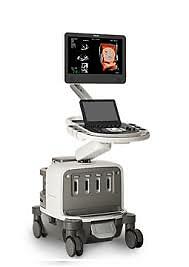
Philips Ultrasound Software
View Deal →
Philips Ultrasound Software
View Deal →
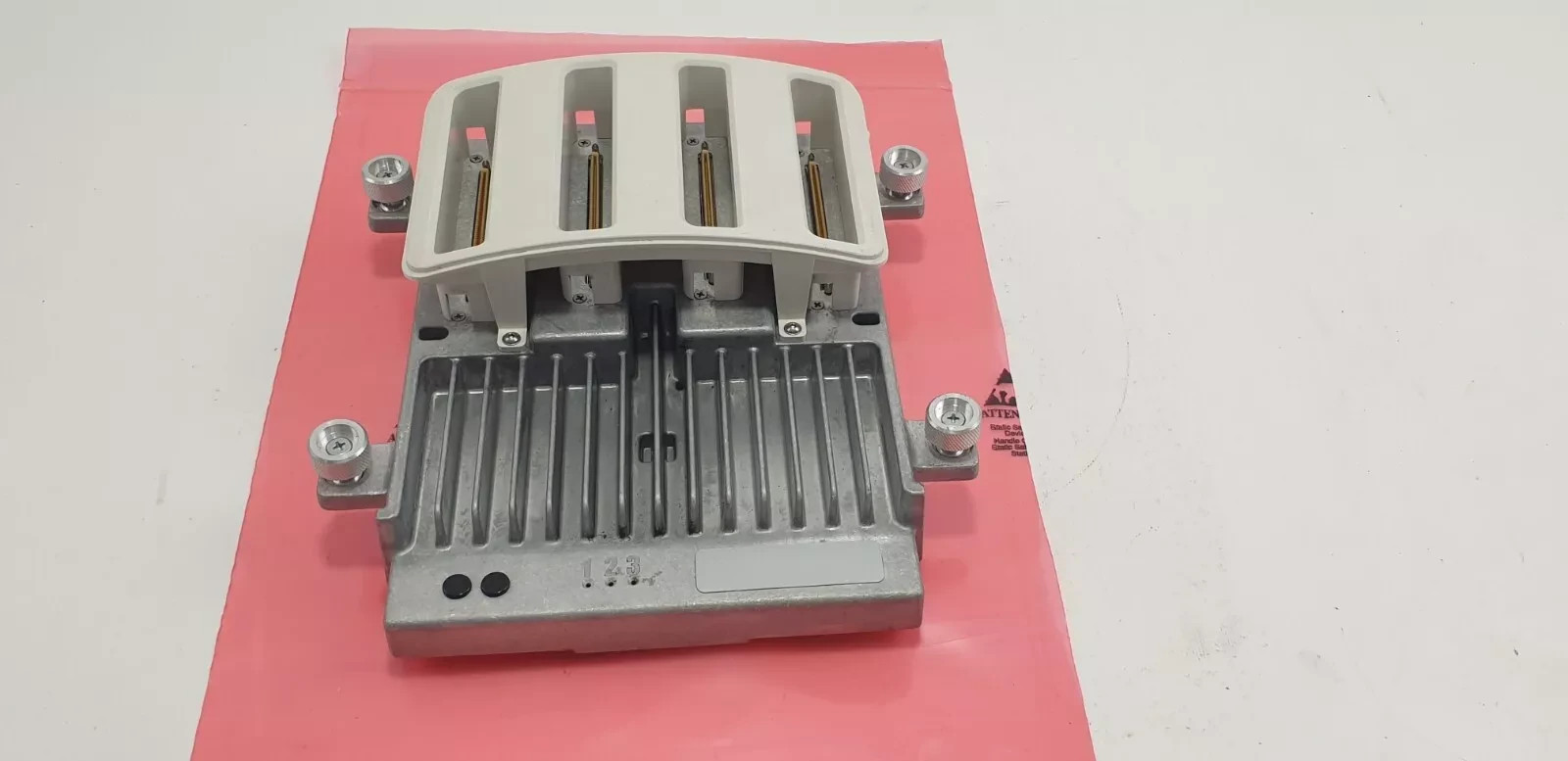
Philips clearvue 350 ultrasound 3-PORT ACQUISITION MODULE 453561486821
View Deal →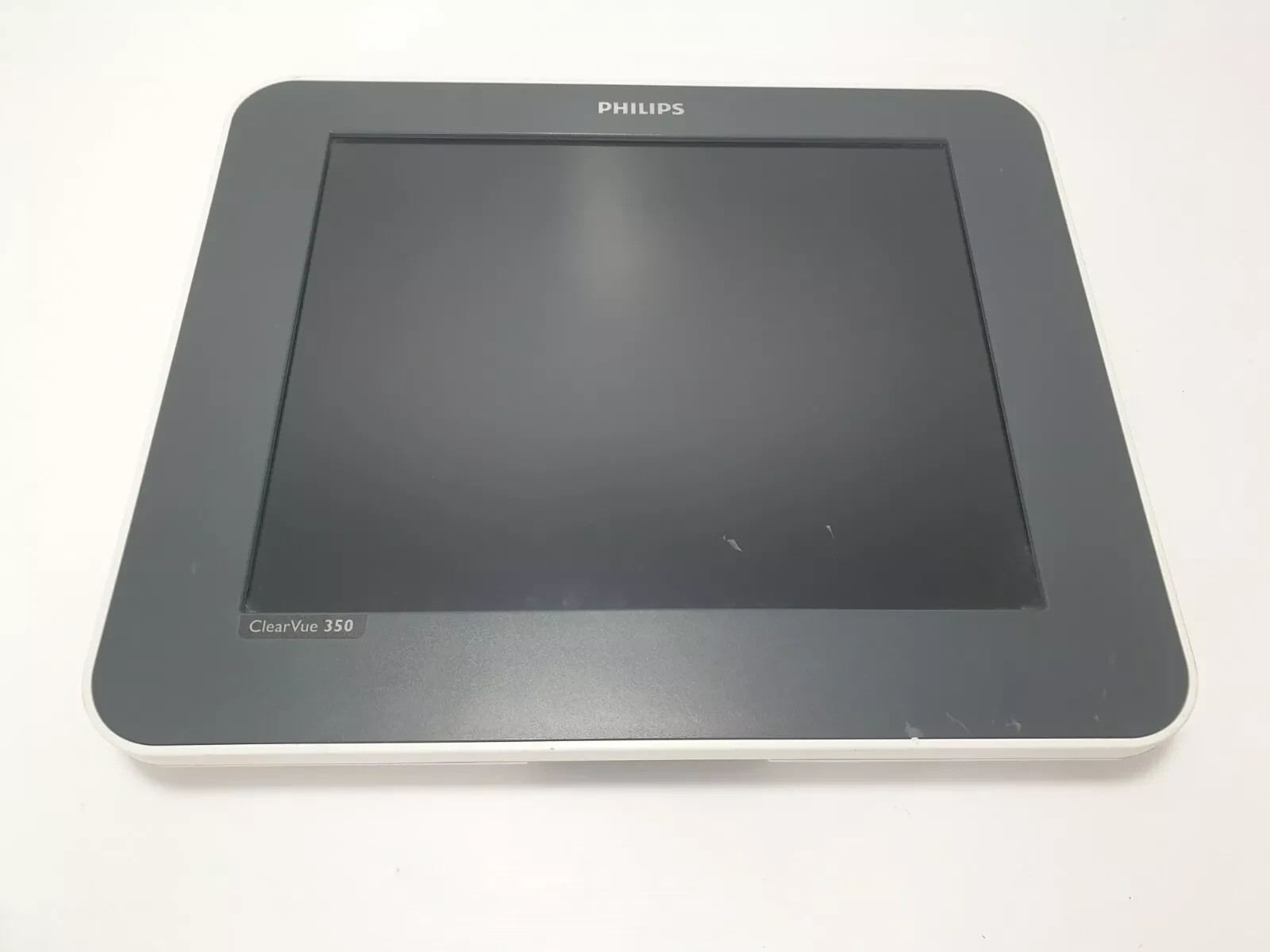
Philips ClearVue 350 Monitor screen LCD 453561451903 FIMI Ultrasound machine
View Deal →