Mindray Resona 7 Review: Exceptional Imaging That Redefines Ultrasound Diagnostics
Mindray Resona 7 Review: Exceptional Imaging That Redefines Ultrasound Diagnostics
If you run a busy imaging department or specialty practice, you already know the frustration: patients with challenging body habitus, time pressure between exams, and the constant demand for clearer diagnostic images. The Mindray Resona 7 was engineered to solve exactly these problems — and after thorough research into its architecture, clinical performance, and real-world feedback, we can say it delivers on most of its promises.
Product Overview
The Mindray Resona 7 is a premium-tier diagnostic ultrasound system built on Mindray's proprietary Zone Sonography Technology Plus (ZST+). Positioned as a direct competitor to the GE Logiq E10 and Philips EPIQ 7, the Resona 7 targets radiology departments, OB/GYN practices, cardiology clinics, and vascular labs that need consistently high image quality across a wide range of patient types.
Key specifications at a glance:
- Platform: ZST+ architecture with massive parallel processing
- Display: 23.8-inch LED monitor with adjustable articulating arm
- Transducer Ports: 4 active ports with automatic probe recognition
- Imaging Modes: B-mode, M-mode, Color Doppler, Power Doppler, PW/CW Doppler, Tissue Harmonic Imaging, Contrast Enhanced Ultrasound (CEUS), Elastography (Shear Wave and Strain)
- Storage: Built-in SSD with DICOM connectivity
- Workflow Tools: Auto-IMT, Smart OB measurements, Auto EF
Hands-On Experience: What Sets the Resona 7 Apart
ZST+ Architecture — The Engine Behind the Image
The defining technology of the Resona 7 is Zone Sonography Technology Plus. Unlike conventional line-by-line beamforming, ZST+ captures data in broad zones and processes the entire acoustic dataset simultaneously. The practical result is striking: frame rates stay high even when you activate multiple imaging modes simultaneously, and spatial resolution remains consistent from near field to far field.
In abdominal imaging, this translates to noticeably better visualization of deep structures — a common pain point on standard systems where penetration comes at the cost of resolution. The Resona 7 maintains detail at depth in a way that reduces the need for repeat scans or patient repositioning.
Transducer Ecosystem
Mindray offers a robust lineup of transducers for the Resona 7, including high-frequency linear probes for musculoskeletal and vascular work, curved array probes for abdominal and OB imaging, phased array probes for cardiac applications, and specialized endocavitary and volume probes. The automatic probe recognition system detects which transducer you've connected and loads optimized presets — a small feature that saves meaningful time across a full day of exams.
Workflow and Ergonomics
The control panel is well-thought-out. Frequently used controls are clustered logically, and the 23.8-inch display provides ample screen real estate for split-screen comparisons and measurement overlays. The system boots in under 60 seconds, and switching between exam types takes just a few taps.
Smart automation tools like Auto-IMT (intima-media thickness) and automated cardiac measurements reduce keystroke counts significantly. In high-volume environments, these small efficiencies compound into real time savings — clinicians report shaving 2-5 minutes per exam on routine studies.
Advanced Imaging Capabilities
Where the Resona 7 truly distinguishes itself is in its advanced imaging suite:
- Shear Wave Elastography: The implementation is smooth and responsive, providing quantitative tissue stiffness measurements that are particularly valuable in liver fibrosis staging and breast lesion characterization.
- Contrast Enhanced Ultrasound (CEUS): The low mechanical index imaging and dedicated contrast modes make the Resona 7 a capable platform for liver lesion characterization without CT or MRI.
- UWN+ (Ultra-Wideband Non-linear) Imaging: Enhances tissue harmonic imaging for improved contrast resolution, especially useful in technically difficult patients.
- V Flow: Mindray's vector flow imaging provides intuitive hemodynamic visualization beyond what conventional Color Doppler can show.
Pros and Cons
Pros
- Outstanding image quality at depth thanks to ZST+ processing
- Comprehensive imaging suite including elastography, CEUS, and V Flow
- Fast boot time and responsive interface keep workflow moving
- Competitive pricing versus GE and Philips premium systems — typically 20-30% less
- Excellent transducer selection covering all major clinical applications
- Auto-measurement tools reduce repetitive strain and exam times
Cons
- Service network is smaller than GE or Philips in some regions, which can mean longer wait times for on-site repairs
- Learning curve for sonographers transitioning from other manufacturers — menu structure and naming conventions differ from GE/Philips norms
- Third-party transducer compatibility is limited — you are largely locked into the Mindray ecosystem
- Some users report that the cardiac imaging package, while capable, does not quite match the Philips EPIQ 7 in advanced strain analysis
- System weight and footprint are substantial — not ideal if you frequently move between exam rooms
Performance Breakdown
| Category | Rating | Notes |
|---|---|---|
| Image Quality | 9/10 | ZST+ delivers exceptional resolution and penetration; among the best in its class |
| Workflow Efficiency | 8.5/10 | Smart automation tools and fast interface; slight learning curve for new users |
| Build Quality | 8/10 | Solid construction with premium feel; heavier than some competitors |
| Value for Money | 9/10 | Premium imaging at a price point below GE and Philips equivalents |
| Versatility | 9/10 | Covers radiology, OB/GYN, cardiac, vascular, and MSK with strong performance across all |
Who Should Buy the Mindray Resona 7
- Multi-specialty imaging centers that need one system to handle abdominal, OB, vascular, cardiac, and MSK exams without compromise
- Budget-conscious hospitals that want premium-tier imaging without the GE LOGIQ E10 or Philips EPIQ 7 price tag
- Practices that see technically challenging patients regularly — the ZST+ architecture genuinely excels with difficult body habitus
- Clinics adopting elastography or CEUS who want these capabilities integrated into their primary system rather than as add-on modules
Who Should Skip the Mindray Resona 7
- Dedicated echocardiography labs that need the absolute best in cardiac strain analysis may find the Philips EPIQ series more refined for that specific workflow
- Mobile or point-of-care users who need portability — this is a cart-based system with significant weight. Consider a GE Logiq E portable ultrasound or similar for those use cases
- Practices in areas with limited Mindray service coverage should verify local support availability before committing
Alternatives Worth Considering
GE LOGIQ S8
The GE Logiq S8 ultrasound system is a strong mid-range option from GE's lineup. It offers solid general imaging and a mature service network. However, it lacks the Resona 7's ZST+ processing depth, and advanced features like elastography may require additional licensing. A good choice if GE ecosystem compatibility is a priority.
GE Voluson S6
For OB/GYN-focused practices, the GE Voluson S6 ultrasound system offers excellent 3D/4D imaging tailored for obstetric workflows. It is more specialized than the Resona 7 and does not match it for general radiology or vascular work, but for dedicated women's health imaging, it remains a strong contender.
Philips EPIQ 7
The most direct competitor. The EPIQ 7 offers marginally better cardiac strain imaging and has a larger installed base. However, it carries a significantly higher price tag, and for general radiology and abdominal imaging, the Resona 7's ZST+ architecture is competitive or superior. The Philips system makes sense if cardiac is your primary volume driver.
Where to Buy
The Mindray Resona 7 is available through authorized Mindray distributors and select medical equipment marketplaces. Given the investment level, we recommend requesting a demo from your local Mindray representative before purchasing.
For competitive pricing, check current availability:
Refurbished units occasionally appear on the secondary market and can represent significant savings. When buying pre-owned, verify the software version, transducer condition, and remaining warranty coverage.
You can also find compatible transducers and accessories:
Frequently Asked Questions
How does the Mindray Resona 7 compare to the Resona I9?
The Resona I9 is Mindray's flagship and sits one tier above the Resona 7. The I9 adds features like Fusion Imaging and more advanced AI-assisted measurement tools. For most general practices, the Resona 7 provides 90% of the I9's imaging capability at a meaningfully lower price point.
Is the Resona 7 suitable for cardiac imaging?
Yes. It supports a full cardiac package including tissue Doppler, strain imaging, and automated EF calculations. While dedicated echo labs may prefer the Philips EPIQ series, the Resona 7 is more than capable for practices where cardiac is one of several imaging specialties.
What is the typical lifespan of the Mindray Resona 7?
With proper maintenance and regular software updates, the Resona 7 should serve a busy practice for 7-10 years. Transducer replacement is the most common maintenance expense — budget for probe replacements every 3-5 years depending on scan volume.
Does the Resona 7 support DICOM and PACS integration?
Yes. The system includes full DICOM 3.0 connectivity with support for DICOM Store, DICOM Print, DICOM Worklist, and structured reporting. Integration with major PACS systems is straightforward.
Can the Resona 7 perform 3D and 4D imaging?
Yes, with compatible volume transducers. The 3D/4D rendering is capable, though OB-focused practices doing primarily volume imaging may still prefer the GE Voluson line for its specialized obstetric rendering tools.
What warranty does Mindray offer on the Resona 7?
Standard warranty is typically 1 year parts and labor, with extended service contract options available through Mindray and authorized distributors. We strongly recommend budgeting for an extended service agreement given the system's complexity.
Final Verdict
The Mindray Resona 7 delivers premium-tier imaging performance — particularly in penetration depth and advanced modalities like elastography and CEUS — at a price point that undercuts established competitors by a significant margin. For multi-specialty practices and imaging centers that need a versatile, high-performance workhorse, the Resona 7 represents one of the strongest value propositions in diagnostic ultrasound today. The only real caveats are service network coverage in some regions and a slight learning curve for teams coming from other platforms — neither of which should be dealbreakers for most buyers.

2020 Mindray M7 Portable Ultrasound with C5-2S and L12-4S Transducer Probes
View Deal →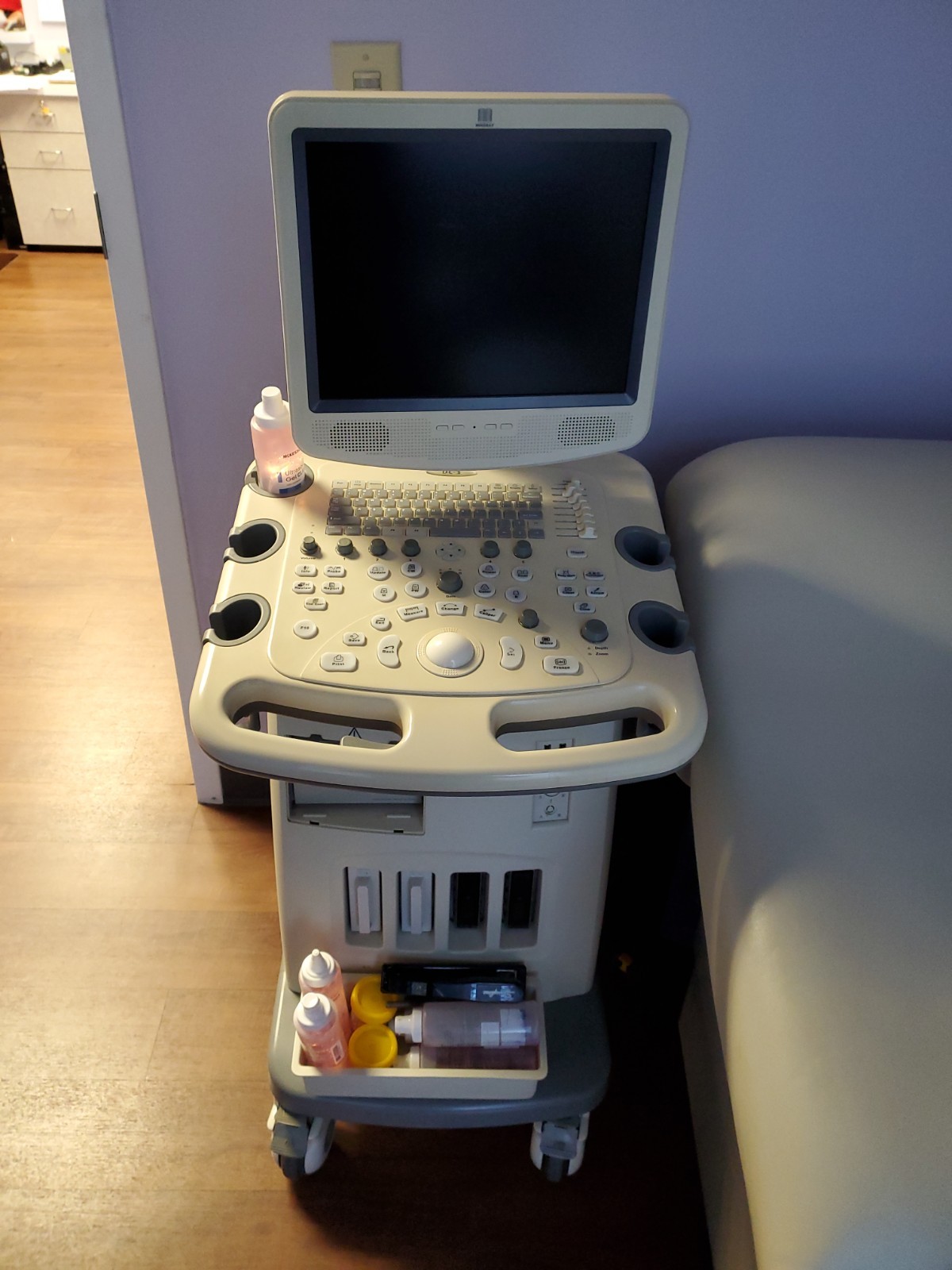
Mindray DC3 Ultrasound Machine Fully Equipped Convex Abd Probe And TV Probe
View Deal →
Mindray M5 Diagnostic Ultrasound System manuals lot, 8 books + 5 CDs as shown
View Deal →
Mindray DC-7 Diagnostic Ultrasound System Medical Imaging Unit
View Deal →
2022 ultrasound machine mindray z6
View Deal →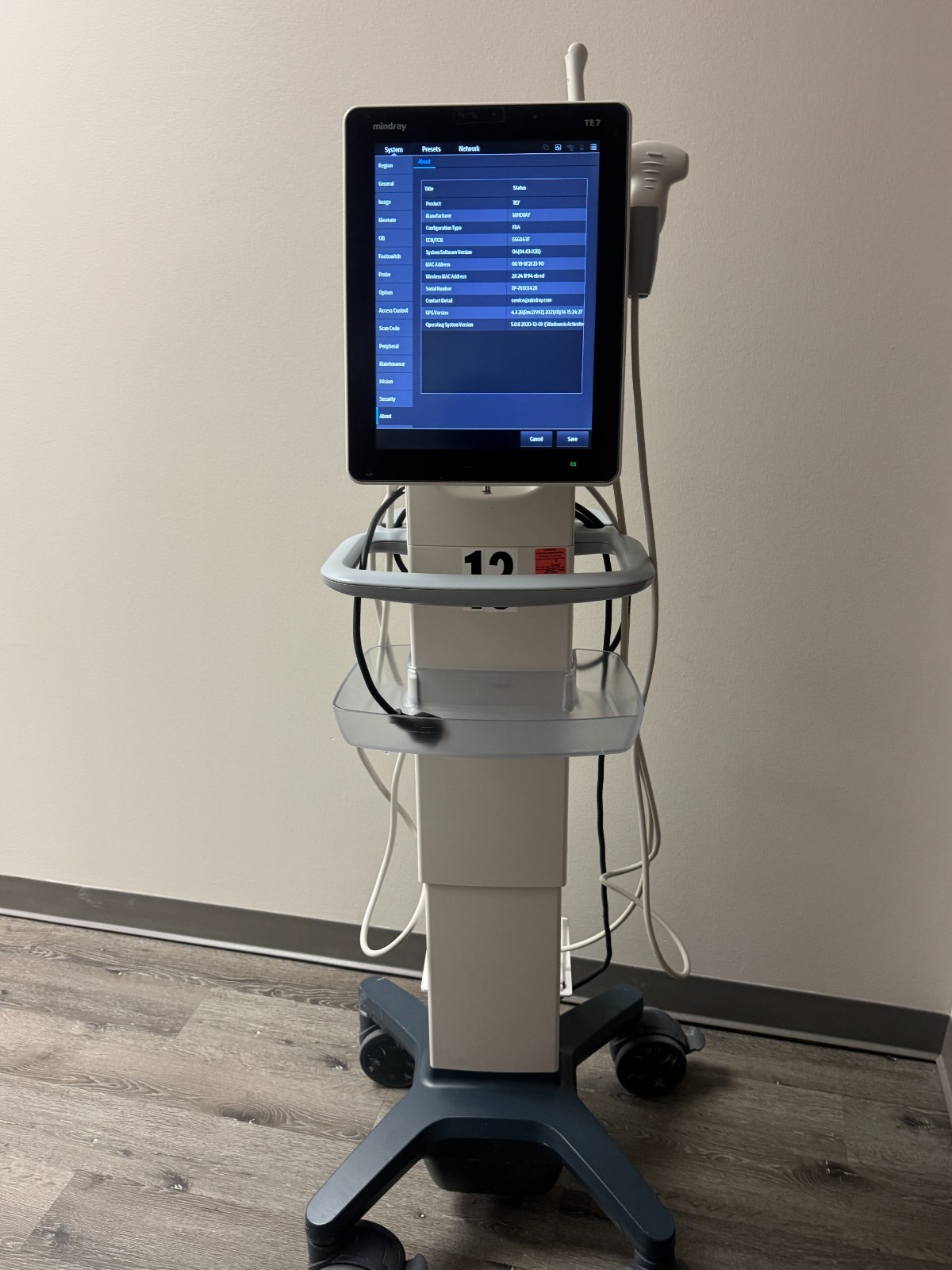
Mindray TE7 Ultrasound With 3 probes, Linear, convex and Endovaginal probes
View Deal →
Mindray DP-10Vet Ultrasound &Micro convex probe 65C15EAV -Small animals
View Deal →
Mindray 50L60EAV Vet Ultrasound Transducer for DP-10 vet/Z5 vet,Generic probe
View Deal →
Mindray DP50 Ultrasound with Probe choice. 3-year warranty.
View Deal →
Mindray c4-1 Ultrasound Probe, Tested
View Deal →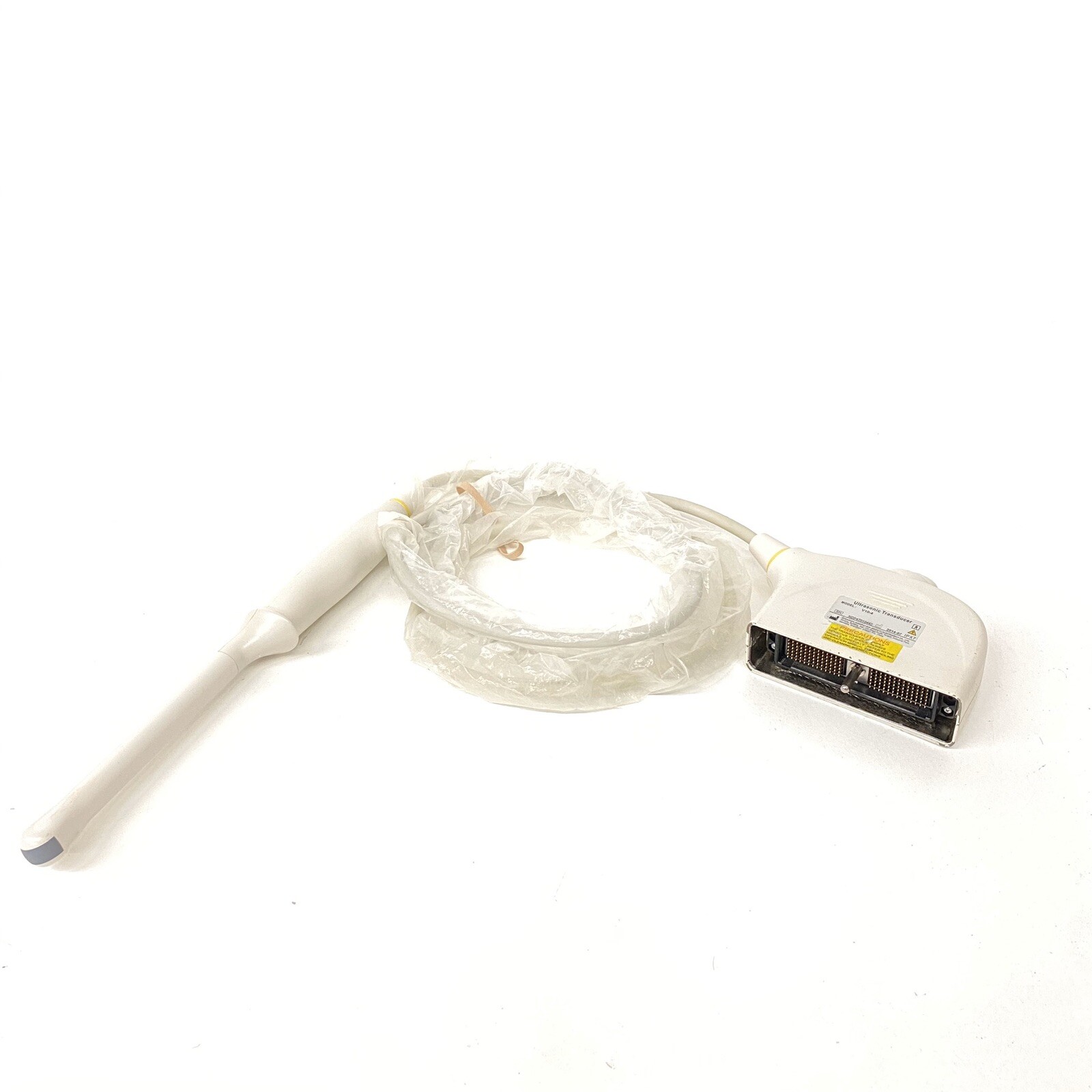
MindRay V10-4 Ultrasound Transducer Probe Mfd 2014-07
View Deal →