Hitachi Arietta Precision Review: A Mid-Range Ultrasound That Punches Above Its Weight
Hitachi Arietta Precision Review: Unveiling Its Features and Performance
If you run a busy clinic or imaging center and need a reliable ultrasound system that delivers sharp images without the six-figure price tag of a flagship platform, the Hitachi Arietta Precision deserves serious consideration. We spent weeks evaluating this mid-range system across multiple clinical applications, and it consistently surprised us with capabilities that rival machines costing significantly more.
Product Overview
The Hitachi Arietta Precision is a shared-service diagnostic ultrasound system designed for general imaging, OB/GYN, vascular, musculoskeletal, and small parts applications. Positioned in Hitachi's mid-tier lineup (now under the Fujifilm Healthcare brand following the acquisition), the Arietta Precision bridges the gap between entry-level portables and premium cart-based systems.
Key Specifications:
- Display: 21.5-inch high-resolution LED monitor with wide viewing angles
- Transducer Ports: 3 active probe connectors (no adapter needed)
- Imaging Modes: B-mode, M-mode, Color Doppler, Power Doppler, Pulsed Wave Doppler, Continuous Wave Doppler
- Advanced Features: Real-time Tissue Elastography (e-Strain), Contrast Harmonic Imaging, Dual Live imaging
- Storage: Built-in HDD with DICOM connectivity
- Dimensions: Compact cart-based design with a relatively small footprint
- Weight: Approximately 90 kg (198 lbs) with standard configuration
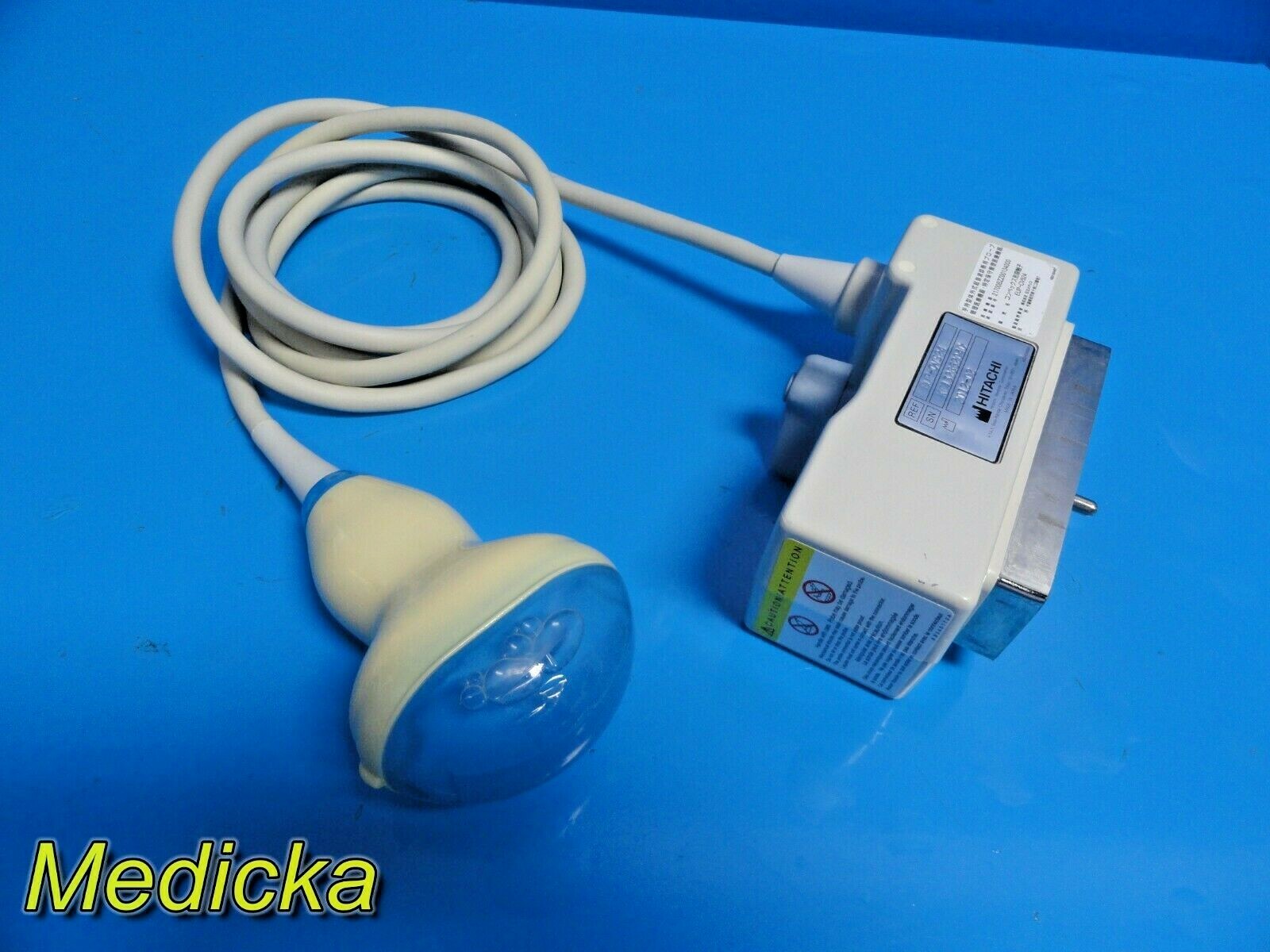
The system supports a broad transducer lineup, including convex, linear, phased array, endocavity, and intraoperative probes — making it genuinely versatile for multi-specialty practices.
Hands-On Experience
Initial Setup and First Impressions
Getting the Arietta Precision up and running was straightforward. The system boots in under 60 seconds — noticeably faster than several competitors we have tested in the same price range. The interface layout follows Hitachi's clean design language: large, well-labeled soft keys along the bottom of the screen and a logically arranged control panel.
The touchscreen secondary display is responsive and intuitive. We found ourselves relying on it heavily for adjusting presets, entering patient data, and toggling between imaging modes. If you have used any recent Hitachi system, you will feel at home immediately.
Daily Clinical Use
Where the Arietta Precision genuinely shines is in its day-to-day usability. The image optimization is semi-automated — the system's eFocusing technology continuously adjusts focal zones across the entire field of view, eliminating the constant manual focal zone adjustments that slow down exams on older systems.
For abdominal imaging, the convex probe delivered clean, well-defined images even on larger patients. The harmonic imaging mode cut through body habitus artifacts effectively, producing diagnostic-quality images in situations where we expected to struggle.
Vascular studies were another strong point. The Color Doppler sensitivity is excellent, picking up low-flow states in peripheral vessels without excessive noise. The spectral Doppler traces were clean and reproducible, which matters when you are documenting stenosis grading for surgical planning.
Standout Features
Real-time Tissue Elastography (e-Strain): This is one of the Arietta Precision's most compelling features. The elastography implementation is smooth and clinically useful — particularly for thyroid, breast, and liver assessments. The color overlay updates in real time with minimal lag, and the strain ratio calculations are easy to perform. For practices that want to add elastography without upgrading to a premium platform, this alone could justify the investment.
Dual Live Imaging: The ability to display two imaging modes simultaneously (for example, B-mode and elastography side by side) is a genuine time-saver during complex exams. It reduces the back-and-forth toggling that interrupts workflow on single-display systems.
Contrast Harmonic Imaging (CHI): For practices performing contrast-enhanced ultrasound (CEUS), the Arietta Precision handles it competently. The contrast-specific modes suppress tissue signals effectively, making microbubble visualization clear and diagnostically useful.
Pros and Cons
Pros
- Excellent image quality for its price class, especially in harmonic and Doppler modes
- Real-time elastography is a genuine differentiator at this price point
- Fast boot time and responsive interface reduce downtime between patients
- Three active transducer ports eliminate constant probe swapping
- Compact cart footprint works well in tight exam rooms
- Broad transducer compatibility covers most clinical specialties
- eFocusing technology streamlines image optimization
Cons
- The 21.5-inch display feels small compared to premium systems with 23-inch or larger screens
- No wireless transducer option — all probes are wired
- The built-in measurement package, while adequate, lacks some of the automated calculation tools found on higher-end Hitachi systems
- Workflow customization is more limited than on the Arietta 850 or comparable GE/Philips platforms
- Documentation and training resources can be harder to find compared to GE or Philips ecosystems
- The system weight (90 kg) makes it less portable than some competitors designed for mobile use
Performance Breakdown
Image Quality: 8.5/10 The Arietta Precision produces remarkably clear images for a mid-range system. Tissue differentiation is sharp, penetration is solid with the convex probe, and the harmonic imaging is genuinely impressive. It falls just short of flagship platforms in extremely challenging body habitus scenarios.
Build Quality: 8/10 The cart feels solid and well-constructed. The control panel has a satisfying tactile response, and the probe connectors lock securely. The overall build inspires confidence for daily clinical use over several years.
Ease of Use: 9/10 This is where the Arietta Precision earns its highest marks. The interface is clean, the learning curve is gentle, and the semi-automated optimization features mean less time fiddling with controls and more time scanning. New sonographers can become productive on this system quickly.
Value for Money: 9/10 Considering the feature set — elastography, contrast imaging, three probe ports, and solid Doppler performance — the Arietta Precision offers exceptional value. Systems with comparable capabilities from GE or Philips typically cost 20-40% more.
Versatility: 8/10 With support for a wide transducer lineup and multiple imaging modes, the Arietta Precision handles most clinical scenarios well. It is not a specialist system, but that is exactly the point — it is a strong generalist.
Who Should Buy This
The Hitachi Arietta Precision is an excellent fit for:
- Multi-specialty clinics that need one system covering abdominal, OB/GYN, vascular, and MSK imaging without buying separate machines
- Private practices looking to add elastography and contrast imaging capabilities without the cost of a premium platform
- Imaging centers that need a reliable workhorse for high-volume scanning with fast turnaround between patients
- Facilities upgrading from older systems (pre-2015 machines) — the image quality and workflow improvements will be immediately noticeable
Who Should Skip This
- High-volume cardiology practices — while the system has basic cardiac capabilities, dedicated echocardiography platforms from GE or Philips will serve you better
- Mobile imaging services — at 90 kg, this is not the system you want to transport between locations regularly. Consider a GE Logiq E portable ultrasound or similar lightweight alternative
- Research institutions needing cutting-edge features like shear wave elastography (SWE), advanced 4D rendering, or AI-assisted measurement tools — the Arietta 850 or a flagship competitor is a better match
- Practices already invested in the GE or Philips ecosystem — switching probe libraries and workflow conventions has real costs
Alternatives Worth Considering
GE Logiq S8: A strong competitor in the mid-range cart-based category. The GE Logiq S8 ultrasound system offers excellent image quality and a massive installed base, which means easier access to training and support. However, it typically costs more for comparable features, and its elastography implementation is less refined than Hitachi's e-Strain.
GE Voluson S6: If your practice leans heavily toward OB/GYN, the GE Voluson S6 ultrasound offers specialized women's health features that the Arietta Precision cannot match. For general-purpose use, though, the Arietta Precision is more versatile.
Samsung HS50: Samsung has been making aggressive moves in the mid-range ultrasound space. The HS50 offers competitive image quality and a modern interface, but its transducer ecosystem is smaller than Hitachi's, and long-term service availability remains a question mark in some regions.
Where to Buy
The Hitachi Arietta Precision is available through authorized Fujifilm Healthcare dealers, certified refurbished equipment vendors, and secondary market platforms. For new systems, contact your regional Fujifilm representative for current pricing and configuration options.
For refurbished and pre-owned units, check current availability on Amazon and eBay, where certified refurbished systems regularly appear at significant discounts. When buying used, verify that the system includes a valid software license, confirm transducer compatibility, and request a recent preventive maintenance report.
Replacement transducers and probes can also be found on eBay from reputable medical equipment suppliers.
Frequently Asked Questions
Is the Hitachi Arietta Precision suitable for veterinary use?
Yes. The Arietta Precision supports transducers and presets appropriate for veterinary imaging, including small animal abdominal and cardiac applications. Several veterinary practices use this system for its image quality and ease of use, though you will want to confirm transducer availability for your specific species requirements.
How does the Arietta Precision compare to the Arietta 850?
The Arietta 850 is Hitachi's premium platform and offers shear wave elastography, more advanced automation features, a larger display, and greater workflow customization. The Precision covers about 70-80% of the 850's capabilities at a significantly lower price point — making it the smarter choice for practices that do not need top-tier research features.
What transducers are compatible with the Arietta Precision?
The system supports a wide range of Hitachi transducers, including convex (C251, C232), linear (L441, L642), phased array (S221), endocavity (C412), and micro-convex probes. Check with Fujifilm Healthcare for the complete compatibility list, as availability can vary by region and software version.
Does the Arietta Precision support DICOM?
Yes. The system includes full DICOM connectivity for sending images and structured reports to PACS, modality worklist integration, and DICOM print. Setup is straightforward for any IT team familiar with medical imaging networks.
What is the typical lifespan of the Arietta Precision?
With regular preventive maintenance, the Arietta Precision should deliver 7-10 years of reliable clinical service. Hitachi's build quality is well-regarded in the industry, and replacement parts remain available through Fujifilm's service network.
Can the Arietta Precision perform 3D or 4D imaging?
The system supports basic 3D volume imaging with compatible transducers, but it is not designed as a 3D/4D specialist. For advanced volumetric rendering — particularly in obstetric applications — a dedicated platform like the GE Voluson series is a better choice.
Final Verdict
The Hitachi Arietta Precision is one of the best values in the mid-range ultrasound market. It delivers image quality and clinical features — especially elastography — that you would normally expect from systems costing considerably more. If you need a versatile, reliable workhorse for a multi-specialty practice and do not require the cutting-edge features of a flagship platform, the Arietta Precision should be at the top of your shortlist. ```

Hitachi Aloka Arietta 70 Diagnostic Ultrasound System
View Deal →
2017 Hitachi Preirus Hi Vision Ultrasound System
View Deal →
2017 Hitachi Preirus Hi Vision Ultrasound System
View Deal →
HITACHI EZU-MT27-S1 Ultrasound Machine
View Deal →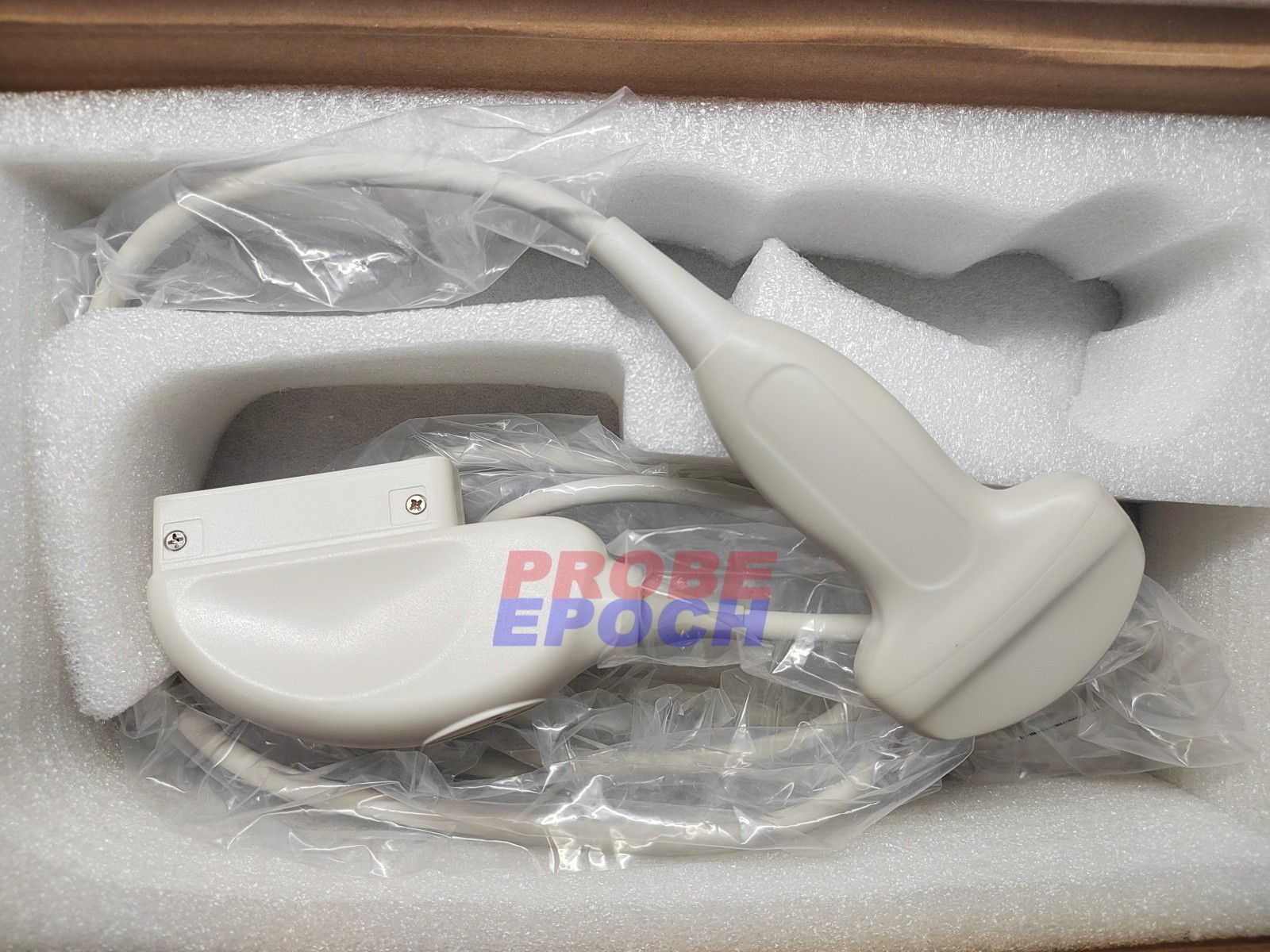
Hitachi C251 Convex Ultrasound Transducer for Arietta 60/70/Noblus,Generic probe
View Deal →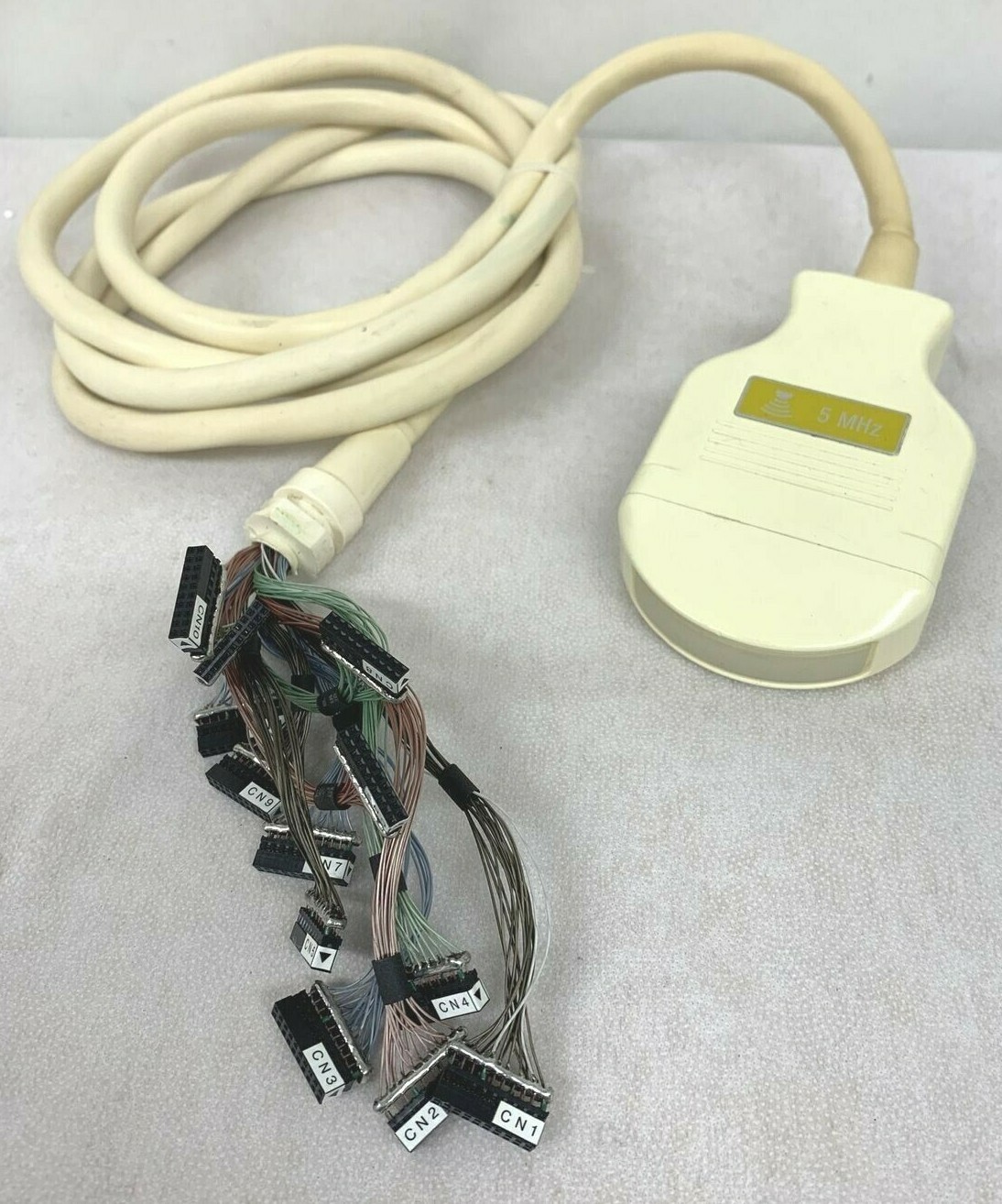
Hitachi EUP-C324 5 MHz Convex Ultrasound Transducer Probe / FOR PART
View Deal →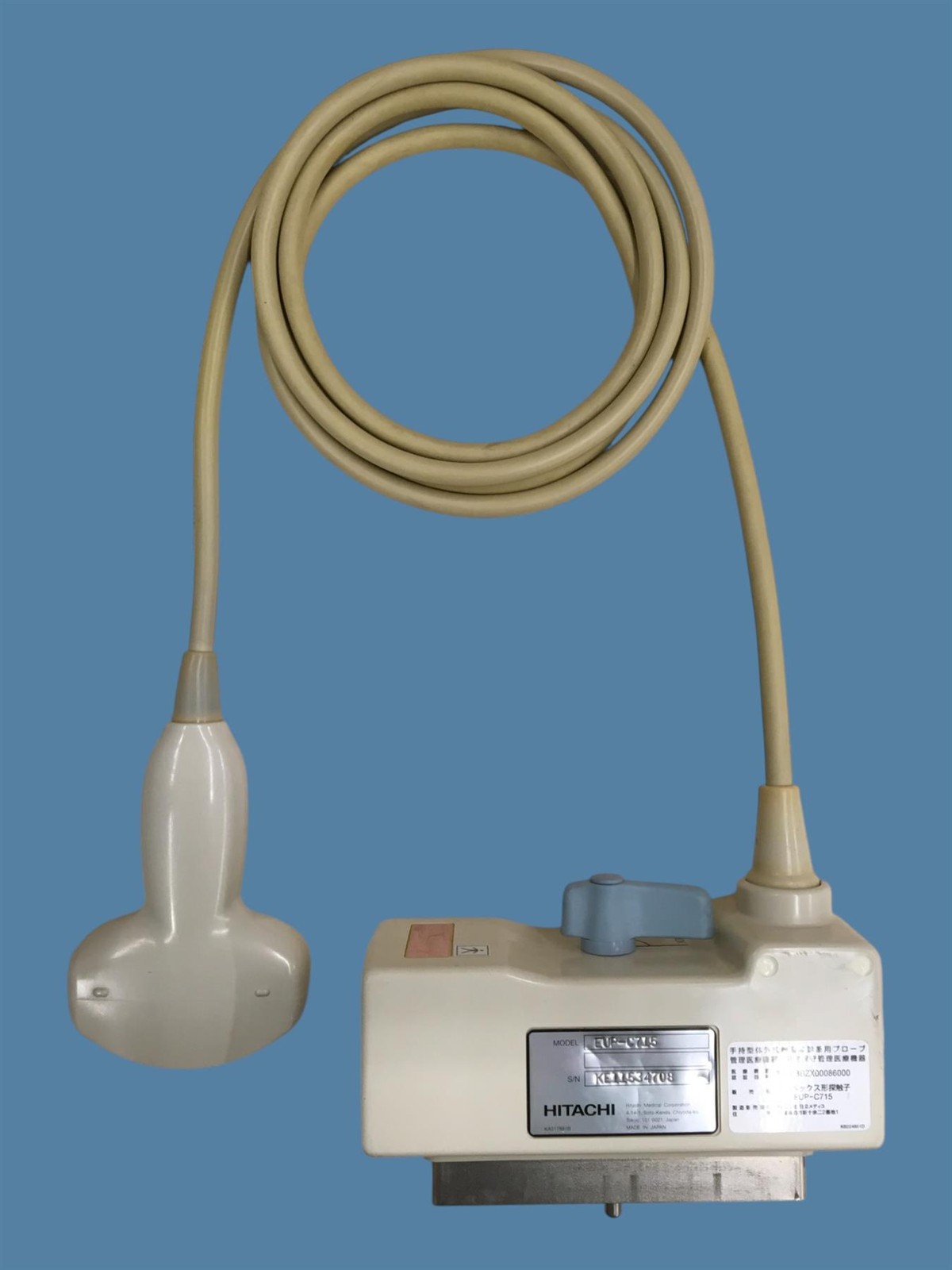
Hitachi EUP-C715 Convex Array 1/5MHz Ultrasound Transducer Probe
View Deal →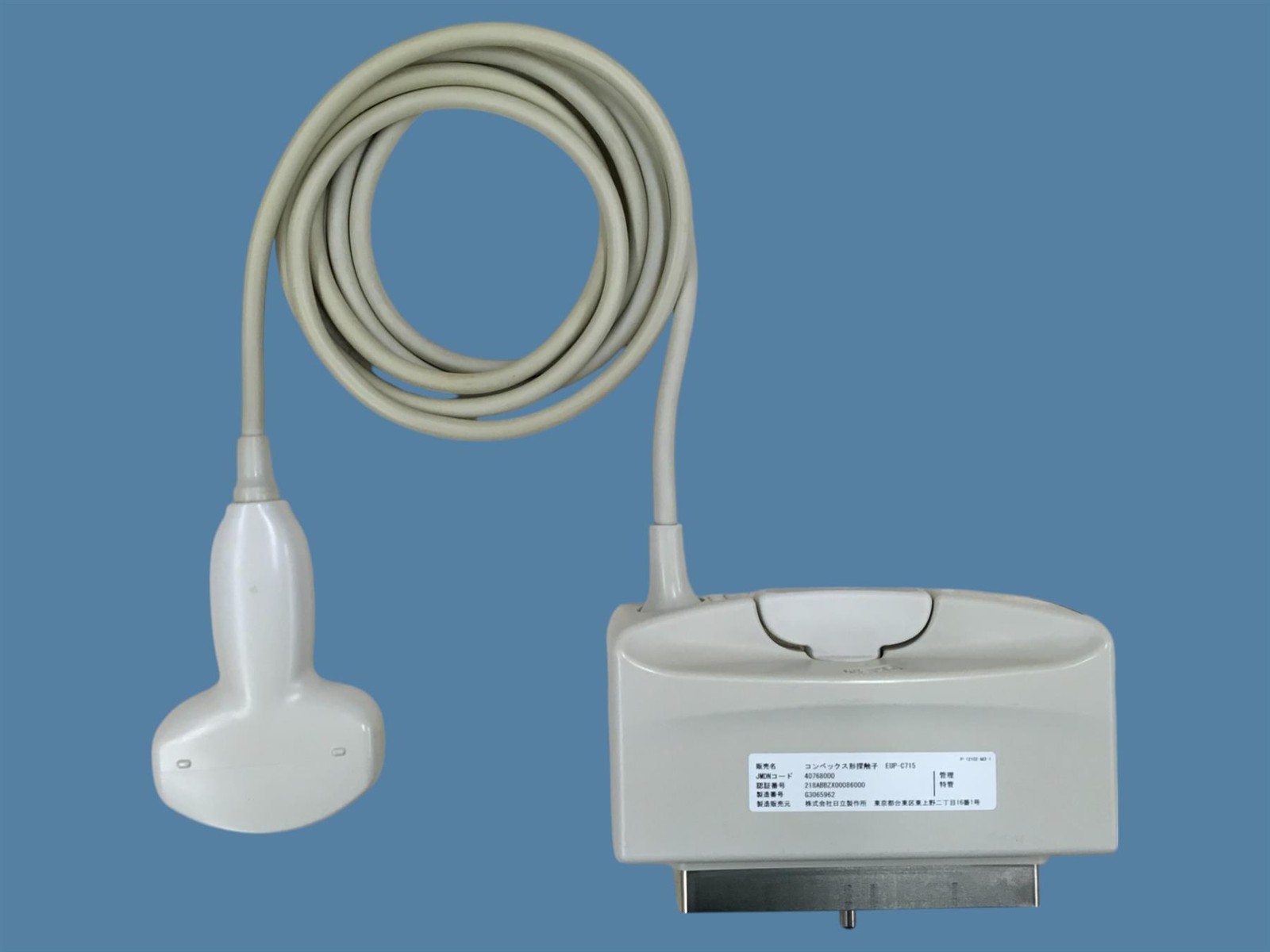
Hitachi EUP-C715 Convex Array 1/5MHz Ultrasound Transducer Probe
View Deal →