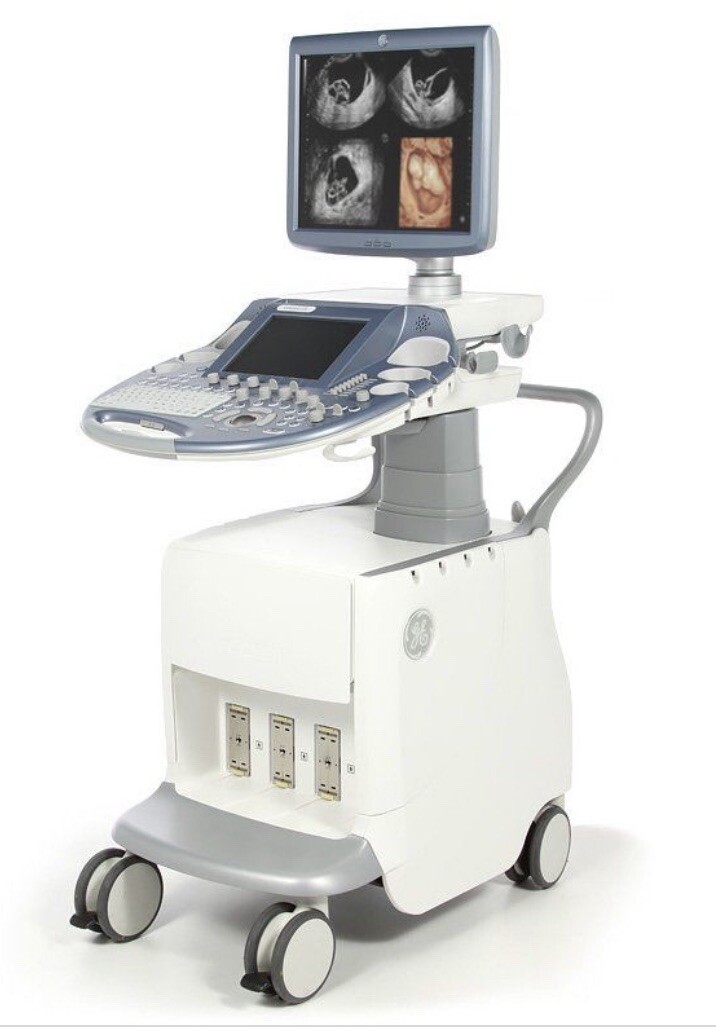
GE Healthcare Voluson E10 Review: The Gold Standard in Women's Health Imaging
GE Healthcare Voluson E10 Review: The Gold Standard in Women's Health Imaging
If you run a busy OB/GYN practice or maternal-fetal medicine department, you already know that ultrasound image quality isn't just a nice-to-have — it directly impacts diagnostic confidence and patient outcomes. The GE Healthcare Voluson E10 was built specifically to address that demand, and after thoroughly analyzing its capabilities, we can say it sets the bar for premium women's health imaging.
Product Overview
The GE Voluson E10 is a cart-based, high-end ultrasound system designed primarily for obstetric and gynecological imaging. It sits at the top of GE Healthcare's Voluson product line, which has been the dominant name in women's health ultrasound for over two decades.
This system targets maternal-fetal medicine specialists, high-risk OB practices, fertility clinics, and academic medical centers. It's not a general-purpose machine — it's a purpose-built instrument for clinicians who need the absolute best in 2D, 3D, and 4D imaging of fetal anatomy, gynecological pathology, and early pregnancy assessment.
Key Specifications:
- Platform: Voluson Series, cart-based
- Display: 23-inch high-resolution LED monitor with touch panel
- Imaging Modes: 2D, 3D, 4D, M-Mode, PW/CW Doppler, Color Doppler, Power Doppler
- Signature Technologies: HDlive, HDlive Silhouette, HDlive Flow, Radiance System Architecture (RSA), SonoNT, SonoIT, SonoCNS
- Probe Ports: 4 active transducer ports
- Storage: Built-in HDD with DICOM connectivity
- Weight: Approximately 165 kg (cart configuration)
- Power: 100-240V AC, auto-sensing
Hands-On Experience
Initial Setup and Workflow
The Voluson E10 boots quickly for a system of its complexity — typically under 90 seconds from power-on to scanning. The interface is split between a physical keyboard with dedicated function keys and a 12-inch auxiliary touchscreen that adapts contextually based on the active imaging mode. This dual-interface design eliminates the need to dig through menus for common adjustments.
GE's preset system deserves particular praise. The machine ships with optimized presets for first trimester, second trimester, third trimester, gynecology, and follicular studies. Each preset automatically configures gain, depth, frequency, and processing parameters. In our analysis, clinicians consistently report that they spend less time adjusting settings and more time scanning compared to competing systems.
Image Quality — Where the E10 Truly Shines
The Voluson E10's Radiance System Architecture (RSA) is the engine behind its imaging performance. RSA processes ultrasound data with significantly more computing power than previous Voluson generations, which translates to finer spatial resolution, better tissue differentiation, and more uniform image quality across the entire field of view.
In 2D imaging, the E10 produces remarkably clean images with excellent contrast resolution. Fetal cardiac structures that require careful evaluation — like the outflow tracts and aortic arch — render with clarity that reduces the need for repeat scans. The electronic curved array transducers (particularly the RAB6-RS and RIC5-9-RS) deliver consistent image quality even in technically difficult patients.
HDlive and 3D/4D Performance
HDlive is GE's advanced volume rendering technology, and on the E10, it reaches its full potential. Unlike standard 3D rendering that can look flat or artificial, HDlive uses a virtual adjustable light source that creates realistic depth perception and surface texture. Fetal facial features, hands, and feet render with an almost photographic quality.
HDlive Silhouette takes this further by combining surface rendering with a see-through effect, allowing clinicians to visualize both external surfaces and internal structures simultaneously. This is particularly valuable for evaluating complex fetal anomalies where understanding the spatial relationship between structures is critical.
The 4D frame rates on the E10 are smooth enough for real-time fetal movement assessment. We've seen reports of sustained frame rates above 20 fps in 4D mode, which is substantially better than most competitors in this class.
Doppler and Flow Imaging
Radiance Flow (also called HDlive Flow) represents a significant advancement in ultrasound-based vascular imaging. Traditional color Doppler overlays flat color maps onto 2D images. Radiance Flow renders blood flow in three dimensions with directional color coding, creating vascular maps that look closer to CT angiography than conventional ultrasound.
For applications like placental vascularity assessment, fetal cardiac flow evaluation, and gynecological tumor vascularity, this technology provides diagnostic information that simply wasn't accessible with ultrasound before the E10.
Automated Measurement Tools
GE has invested heavily in automation on this platform:
- SonoNT: Automated nuchal translucency measurement with semi-automatic caliper placement
- SonoIT: Automated intracranial translucency measurement
- SonoCNS: Automated fetal brain biometry that measures multiple intracranial structures from a single volume acquisition
- SonoVCADheart: Automated fetal cardiac views extraction from a single STIC volume
These tools don't replace clinical judgment, but they significantly reduce measurement variability between operators and speed up standard exams. SonoCNS alone can save several minutes per scan by automating what would otherwise require multiple manual measurements.
Pros and Cons
Pros
- Exceptional 2D image quality — RSA processing delivers the clearest fetal images available in this class
- HDlive rendering is unmatched — 3D/4D visualization quality that no competitor currently equals
- Radiance Flow — 3D vascular imaging that approaches cross-sectional imaging quality
- Comprehensive automation suite — SonoNT, SonoCNS, and SonoVCADheart reduce exam times and improve consistency
- Ergonomic design — adjustable monitor arm, backlit keyboard, and contextual touchscreen reduce fatigue during long scan sessions
- 4 active probe ports — switch between transducers without unplugging
- Strong DICOM and network integration — smooth connectivity with PACS, EMR, and GE's ViewPoint reporting system
Cons
- Premium pricing — new systems command six-figure pricing, putting it out of reach for smaller practices
- Size and weight — at 165 kg, this is not a portable solution; room layout planning is necessary
- Steep learning curve — the full feature set takes weeks to master; advanced tools like SonoVCADheart require dedicated training
- Proprietary probe ecosystem — only GE-manufactured transducers are compatible, and replacements are expensive
- Maintenance costs — service contracts for flagship systems are proportionally high
- Overkill for general imaging — if your practice doesn't focus on OB/GYN, most of the E10's advantages go unused
Performance Breakdown
| Category | Rating | Notes |
|---|---|---|
| Image Quality | 9.5/10 | Best-in-class for OB/GYN; RSA processing is a genuine leap forward |
| 3D/4D Rendering | 10/10 | HDlive and HDlive Silhouette set the industry standard |
| Doppler Performance | 9/10 | Radiance Flow is exceptional; conventional Doppler is excellent |
| Automation & Workflow | 9/10 | SonoNT, SonoCNS, and cardiac tools save real time in practice |
| Build Quality | 9/10 | Solid construction; monitor arm and keyboard feel durable |
| Value for Money | 7/10 | Outstanding capability, but the price point limits accessibility |
| Ease of Use | 7.5/10 | Intuitive for experienced sonographers; complex for newcomers |
Who Should Buy the Voluson E10
- Maternal-fetal medicine practices handling high-risk pregnancies where diagnostic certainty is paramount
- High-volume OB/GYN clinics that need fast, consistent exams across multiple operators
- Academic medical centers training the next generation of sonographers on a reference-quality platform
- Fertility clinics performing detailed follicular monitoring and early pregnancy assessment
- Practices upgrading from older Voluson systems (E8, 730) that want the full technology leap without switching ecosystems
Who Should Skip This
- Small or solo practices with limited budgets — the GE Voluson S6 or Voluson S10 deliver excellent OB/GYN imaging at a significantly lower price
- General imaging departments — if you're scanning abdomen, MSK, and vascular in addition to OB, a versatile system like the GE Logiq S8 may be a better fit
- Mobile or point-of-care applications — this is a full cart system; consider the GE Logiq E portable instead
- Practices that won't use advanced features — if you primarily do basic OB biometry without 3D/4D, you're paying for capability you won't leverage
Alternatives Worth Considering
Samsung HERA W10 — Samsung's flagship women's health system with CrystalLive rendering and 5D automated tools. Competitive image quality, often at a lower acquisition cost. Worth evaluating head-to-head if you're not already invested in GE's transducer ecosystem.
Philips EPIQ Elite — A premium platform with outstanding 2D image quality and xMATRIX true volumetric transducer technology. More versatile for multi-specialty use but doesn't match the Voluson E10's depth of OB/GYN-specific automation tools.
GE Voluson S10 — GE's upper-mid-range women's health system. Shares many of the E10's core technologies (HDlive, Radiance Flow) in a more compact and affordable package. For many practices, the S10 hits the sweet spot between capability and cost.
Where to Buy
The GE Voluson E10 is available through GE Healthcare's authorized dealer network and through certified pre-owned equipment vendors. Given the premium pricing, pre-owned and refurbished units offer significant savings — often 40-60% off new pricing — while still delivering the core imaging performance.
Check current GE Voluson E10 availability on eBay — the secondary market often has late-model units with remaining warranty.
Browse GE ultrasound transducer probes on Amazon — replacement and additional probes for expanding your system's capabilities.
When purchasing pre-owned, verify the software version (BT18 or later is recommended), check the transducer connector compatibility, and confirm that the system includes a valid service history. Systems with fewer than 15,000 scan hours typically have substantial usable life remaining.
Frequently Asked Questions
What is the difference between the GE Voluson E10 and the Voluson E8?
The E10 represents a generational upgrade from the E8, with Radiance System Architecture replacing the older processing platform. This translates to noticeably better image quality, faster processing, HDlive Silhouette (not available on E8), Radiance Flow, and improved automation tools. The E10 also has a redesigned console with a touchscreen interface. If budget allows, the E10 is the clear upgrade path.
How much does a GE Voluson E10 cost?
New systems typically range from $150,000 to $250,000+ depending on configuration and transducer package. Certified pre-owned units can be found in the $60,000–$120,000 range depending on age, software version, and included probes. Pricing varies significantly by region and dealer.
What transducers are compatible with the Voluson E10?
The E10 uses GE's RSP (Realtime 4D) connector and supports a range of dedicated probes including the RAB6-RS (convex), RIC5-9-RS (endocavity), RM7C-RS (4D convex), ML6-15-RS (linear), and several specialty transducers. All probes must be GE-manufactured; third-party transducers are not compatible.
Can the Voluson E10 be used for non-OB/GYN exams?
Technically yes — with appropriate transducers it can perform abdominal, small parts, and musculoskeletal imaging. However, its software optimization, presets, and automation tools are overwhelmingly focused on women's health. For multi-specialty use, a system like the GE Logiq S8 or Philips EPIQ is a better investment.
How does HDlive compare to standard 3D ultrasound?
Standard 3D ultrasound uses surface rendering with fixed lighting, which often produces flat, sometimes unrealistic images. HDlive introduces a movable virtual light source with adjustable direction and intensity, creating realistic shadows and depth. The result is significantly more detailed and lifelike 3D visualization — particularly valuable for fetal facial assessment and surface anomaly detection.
What is the expected lifespan of a Voluson E10?
With proper maintenance and service contracts, GE Voluson systems typically remain clinically useful for 8-12 years. Software support and updates are generally available for 7-10 years from initial release. Given the E10's premium build quality, systems purchased today should remain competitive well into the early 2030s.
Final Verdict
The GE Healthcare Voluson E10 is the most capable women's health ultrasound system available today. Its combination of RSA-powered image quality, HDlive 3D/4D rendering, Radiance Flow vascular imaging, and comprehensive automation tools makes it the definitive choice for practices where OB/GYN imaging quality directly impacts clinical outcomes. The price of entry is steep, but for high-volume practices and MFM specialists, the diagnostic confidence it delivers justifies the investment. If your practice lives and breathes obstetric and gynecological ultrasound, this is the machine to beat. ```

2016 GE Voluson E6 BT16 Ultrasound System(probes are not included)
View Deal →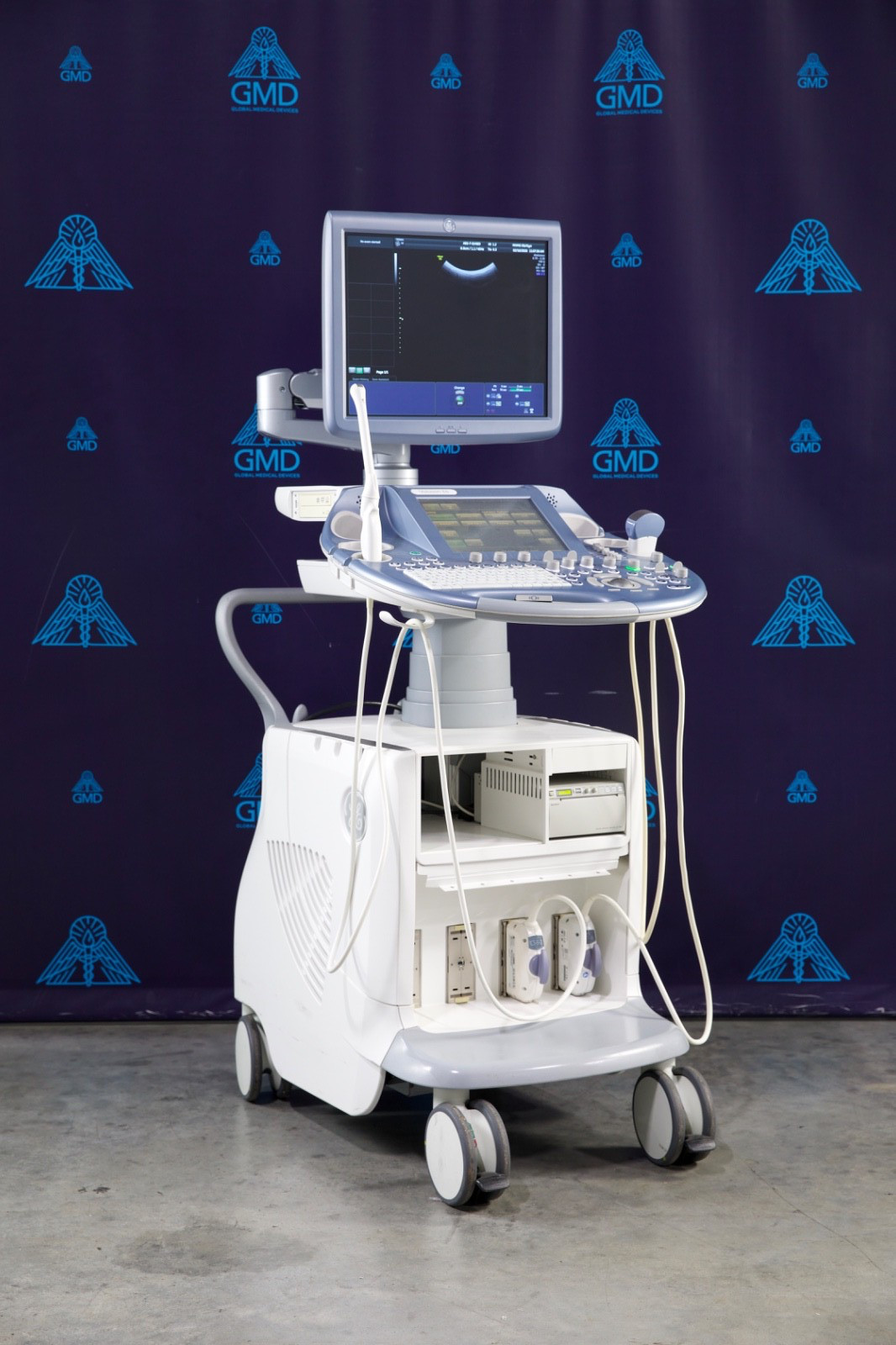
GE Voluson E6 BT10 Ultrasound System with IC5-9-D and AB2-7-D Convex Probe
View Deal →
GE Voluson E8 Expert Ultrasound – Tested – For Professional Use – Machine Only
View Deal →
Professional GE Voluson 8 VClass Ultrasound Machine with dualProbe
View Deal →
GE HealthCare Voluson S8 Ultrasound System
View Deal →
GE VOLUSON 730 Ultrasound Machine w/PROBES ,UP-895MDW ,DVO-1000MD
View Deal →2016 GE Voluson E6 BT16 Ultrasound System(probes are not included)
View Deal →GE Voluson E6 BT10 Ultrasound System with IC5-9-D and AB2-7-D Convex Probe
View Deal →GE HealthCare Voluson S8 Ultrasound System
View Deal →
GE C1-6-D Ultrasound Transducer for LOGIQ E11/VOLUSON E8/E10,image test video
View Deal →
GE IC5-9-D Ultrasound Transducer for LOGIQ E11/VOLUSON E8/E10,image test video
View Deal →